Showing posts with label dance practice. Show all posts

Tuesday, October 23, 2012

The Dreaded 'F' Word

Margaret Barr's 'Strange Children' ballet, State Library of New South Wales
That's right. I'm going to use the 'F' word: Failure. Cringe, right? You immediately think of humiliation, shame, everyone pointing and laughing at you. Really, there are no better words for failure than failure.

But I bet there's a lot about failure you don't know. What it really means, how you can use it to make you a better dancer, teacher, and performer. It all lies in the way you look at your failures.

To other people

Failure is something to be swept under the rug. You never speak of it, never learn from it, and if you fail it means you should never try again. Some people do their utmost just to avoid failure, including never trying to do something. How many times have you avoided taking a performance opportunity, or turned down a teaching gig because you were afraid of failing? How many times have you avoided a risky choreography or a new show idea because you were worried about people hating it?

What failure will mean to you

Failure just means something that didn't work. Take another path. Try something different next time. It's not the be all and end all to your dance career, and you shouldn't let it be. Sure, there's people out there who will point out your failures and try to use them against you, but take a good hard look at what they've done, and I bet that they haven't even attempted half the things you have. As Princess Farhana has said, most people can't even leave a voicemail, let alone get on a stage and dance! Failure never has to mean the end of the road. It's just the option to go back and take another road.

How does failure make you a better dancer?

I'm sure we've all seen the articles about famous people who failed their first time around. But how does that compare to your career as a dancer?

It means you take more risks. Don't be afraid of trying something new on stage. Use that song you've been thinking about. Infuse those new salsa classes with your performance. Take that teaching position, even if you don't feel ready for it, or sign up to do that performance. Sure, you might fail, but you also might succeed. You could end up with new friends, a new dance gig, or at the very least, respect from those around you who are afraid to do what you just did.

I got my teaching job when the owner of a studio I once studied at called up to ask me if I could sub for a sick belly dance teacher. Teaching was on my horizon, but I didn't expect to go from a phone call to my first job as a teacher in 8 hours! In the last year, I've lost half my students who didn't like my style, but I've also kept two students who love dancing just as much as I do. They've progressed so much, and I've learned a lot about teaching on the way, and become a better dancer because of it. Sure, I failed in losing some of my students, but I succeeded in learning about what makes me a better teacher and dancer.

Don't be afraid to fail. It means you tried harder than everyone else around you, because you were willing to fail. If you never fail, you've never really danced.
Tuesday, July 24, 2012

When Do I Have Time to Practice?

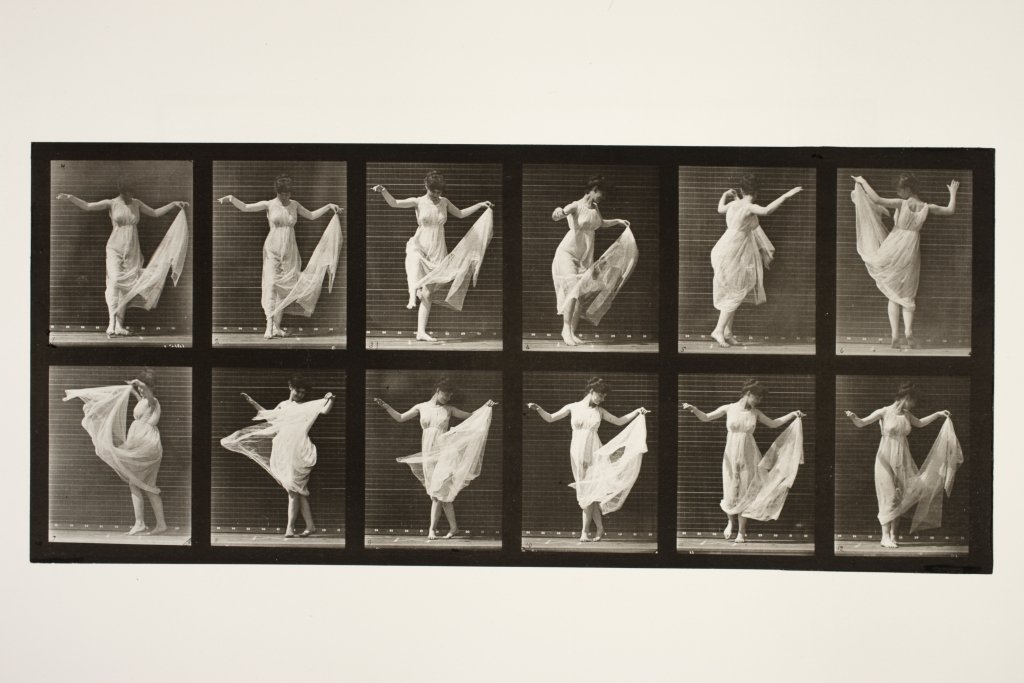
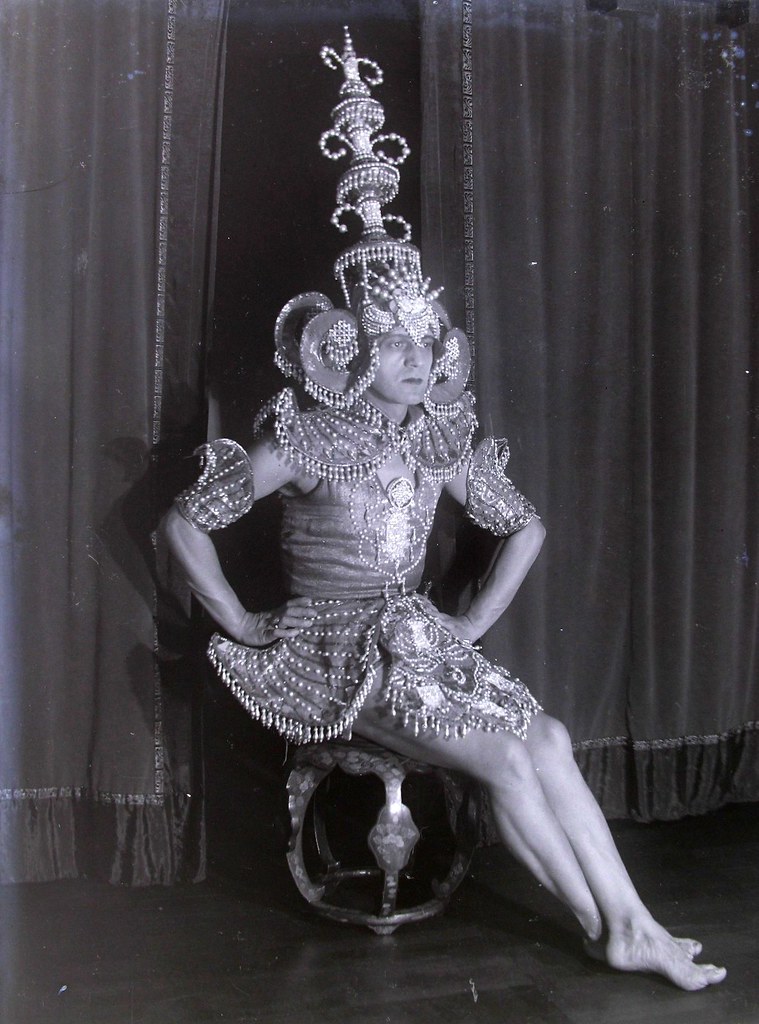
George Eastman House
Dance class is great, but the only way you're really going to get good is if you practice. Sounds easy, but if you're like most dancers, you've got a day job, family, other hobbies, errands, bills to pay, and a whole slew of other things until you're facing the end of a very long day and you realize you haven't practiced yet.

So how's a busy dancer supposed to fit in the time to dance? Well, how much time have you got?

Most people don't realize that they can usually free up to an hour a day. For instance, I'm sure you all know how much time we spend on the computer and watching television. But look at your media consumption. Do you really need to watch that half hour comedy? Do you really have to check Facebook again? If you're reading this and thinking to yourself, "Hey, I don't spend that much time watching TV or on the computer!" just try tracking yourself for a week. Carry around a little notebook, and write down your activities. Make sure you're honest, too, or it won't work.

You'll be pretty surprise at how much time you spend doing nothing at all. This is all time you can use to spend dancing! You may not free up an hour, but you can at least give yourself a little bit of time here and there to do some drills or go over a new choreography.

What if you have commitments that leave no free time a couple nights a week? Well, you can do things like get up earlier. Even getting up fifteen minutes earlier can give you some time to devote to dance practice. I used to do this when I was taking three dance classes a week, and it really helped improve my dancing that year. If you can't get up early, though, you don't need to practice every day.

Instead, look at your weekly schedule, and figure out where you have blocks of time. Maybe you're busy three nights a week, but the other two nights are pretty empty. Set aside a chunk of time both nights and use that for your dance practice. What if you don't have any weeknights free, but weekends are wide open? Then schedule out an hour or two on those days, and dance.

Okay, what if you have no time at all?

Really?

Take a good, hard look at your schedule. There is always something that you can drop, shift, or stop doing. If you're still having a hard time, sit down by yourself, no distractions, and write done what's really important to you. Belly dance should be on that list, but you'll also find that a lot of stuff you waste time on is not. Once you write down all the things that are important to you, look at the things you do every day that have nothing to do with your list.

Then, instead of stopping them all at once, pick one to replace with dance practice. Maybe you feel like you have to watch a television show every week. Try recording it (or ask someone to record it for you), and use that time instead to practice dance. Even if it's just half an hour a week, do that first. Small changes make a big difference, and I'll bet you'll find after awhile that you don't even miss that thing you used to do before you replaced it with bellydancing.

Above all, finding time for bellydance practice really boils down to deciding how important it is to you. If it's important to you, you'll find time to do it. Ask yourself what you want to remember doing when you're too old to dance (hopefully never!): bellydance, or some inconsequential thing you'll forget next week?

Wednesday, May 23, 2012

Burn Baby Burn: When You're Just Tired of Dancing

Harry Furniss, State Library of New South Wales
Sometimes, it can get to be too much.

Whether it's the drama, the back-to-back shows, the in-fighting, or just your life outside of dancing, you feel like you can't even find it in you for a good shimmy.

And that's okay.

It doesn't always mean you're not a dancer anymore, or you're ready to quit. Sometimes you just need a break. Sometimes, you need to take care of life. Sometimes, you just need to find a new troupe. But if you find yourself approaching burnout, you need to take a step back and figure out what's bothering you before you just want to throw up your zills and quit.

The last thing you want to do is walk away from dancing and regret the decision later in your life. So how do you keep that from happening?


First, recognize the signs
If you're supposed to be going to class and instead you're trying to think of anything to make you late or keep you from going, you're definitely trying to avoid class. Or if you do get to class but don't give it your all, there may be a problem. Are you just tired that day? Something in your personal life affecting it? Is this another night this month that you just don't feel like dancing? Are there dancers you're trying to avoid? Sit down and figure out why you don't want to go to class. This is an excellent time to freewrite in your dance journal. Just get out your journal and pretend you're five again: "I don't wanna go to class. I don't wanna dance. I don't wanna stretch out. I don't wanna do our choreography again. I don't wanna listen to Miss Perfect getting praised again. I don't wanna listen to them complain about everything." Keep your pen moving, and you'll start writing down the real reasons you don't want to go.

Okay, I know why I'm avoiding class. Now what?
Once you've figured out where the problem is, you have to figure out what you're going to do with it. Is your class preparing for a performance that you don't want to do? Are you tired of having to relearn the same things over again? Are you learning something new that you're having too much trouble with while everyone else seems to get it? These require a talk with your teacher. Ask if you can sit out the performance (and don't ever be afraid to sit out a performance!), or take privates with her to improve other areas and give yourself a challenge. Or ask if you can move to another class--maybe you feel like you're ready for the next level, or there's another class that's not going to perform. It never hurts to just ask.

If your problem is with the drama of your fellow dancers or teacher, then it might be time to find a new class. You definitely don't want other dancers impacting your enjoyment of bellydance, but it can happen. Ask other dancers for recommendations, or check out your local bellydance hub. It's hard to start over again, but burning out because of other dancers' drama is even harder.

If it's your personal life that's making you avoid dance class, talk to your teacher about taking a break. Work, family, kids, spouse--sometimes life just gets in the way.  Remember that the most important thing is for you to take care of you first. If it means taking a break from dancing, there is nothing wrong with that! If you're worried that you won't return to class after a break, discuss a potential restart date with your teacher, and mark it on your calender, then set a reminder a week before. When that reminder goes off, discuss with your teacher and/or family your return to dancing, and see if you need a longer break or if you're ready to get back into the swing of things.

Before the burnout
Again, the most important thing you can do is take care of you. If you really love dancing, you don't want to burnout early. Take a break, change your classes, but most of all, don't be afraid to speak up. The worst thing you can do is do nothing and then bellydance is no longer enjoyable to you no matter what you do.  And there's also your fellow dancers to talk to--tell them what you're going through, and I'm sure they'll be able to tell you of the time they almost quit, and how glad they didn't, and what they did to get through it!


Tuesday, February 14, 2012

You Can Be Just As Talented As Rachel Brice

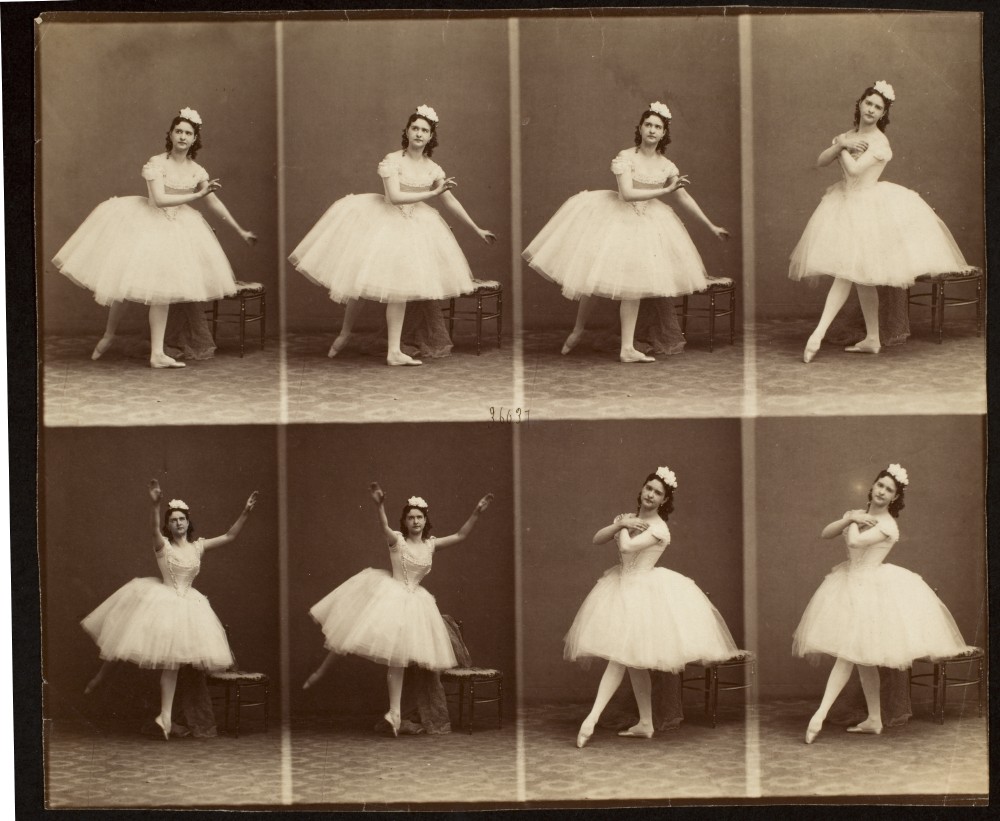
Petipa, George Eastman House
How do you usually practice?

You'd think that practicing at all outside of class is enough, right? As long as you put some music on and shimmy while you're doing the dishes, as long as you dance to a song or two while you're drying your hair, as long as you practice zilling to the top 40 in the car, you're still practicing, right?

But then you get to see all those beautiful dancers who are so flexible and so sharp and just so good, and you tell yourself that they're just really talented. Natural-born bellydancer, right?

Wrong.

First of all, nothing you do in bellydance is natural, except maybe a hip shimmy, which is really just exaggerated walking. And yes, some people are taller or shorter or heavier or skinnier than you. But apart from that, there's very little difference between you and that dancer you envy*cough*admire. Just the one thing, in fact.

They use deliberate practice.

What is deliberate practice? Well, it's right there in the name. You are practicing deliberately. "Well, isn't all practice deliberate?" you say. "I'm not just accidentally doing chest lifts here!"

To practice deliberately, you not only need to take the time to practice, but you also need motivation to practice, an understanding of your vocab of moves, self-awareness, and repetition.

So how do you get these things?

Well, motivation is the tough one. If you're not motivated to practice or even dance, you should ask yourself whether or not this is the thing for you. But even if you know you want to be a dancer, motivation can be hard to come by when you've had a long day and you're tired and sore and you feel clumsy. For those days, put together a motivation pack. Get some music that gets you dancing, even if it's not your typical bellydance music. If you've got a great DVD that really inspires you, save it for the tough practice nights. Or get a list of YouTube videos that make you want to move and watch those just before practicing. Another way to motivate yourself is to sign up for a performance--nothing will get you practicing faster than an upcoming performance.

Understanding your bellydance vocab means getting to class and learning. And it doesn't just have to be your regular class, either. Check around and see if there are any workshops or new teachers coming through your area. Or plan a road trip with your troupe and visit another studio. Never stop learning new things, and bring them to the table every time you practice. And if you learn something new that doesn't quite make sense to you, don't feel bad about asking for a better explanation.

To be self-aware while you're dancing means getting feedback on your progress, whether it be from a mirror, a video, a friend or teacher, or even just the way the move feels on your body. If you've been dancing long enough, you'll know when you've done something right or not. And it doesn't hurt to ask your teacher or a dance friend to tell you when you need to work on something. Make sure you videotape your performances, and every once in awhile, trot out the camera for your practice, too, so you can check to see if there's anything you need to work on. Another good idea is to keep a dance journal and write down what you're working on and how it feels. That way you can go through it and see where you're improving and where you're lagging behind.

Repetition is the easiest one--you've already been doing this. Just keep practicing it!

Next time you practice, pick at least three things you want to work on, and make sure they are moves you know how to execute. Then, throw on your favorite piece of music, turn on the video camera or grab a friend, and spend fifteen minutes practicing those three moves. When the fifteen minutes is up, watch the video or ask you friend to see how you did. Take notes on what you need to work on, put it in your dance journal, and then use it to structure your next practice. In no time, you'll be just as talented as those dancers you admire!

Tuesday, January 24, 2012

My Bellydancer Can Beat Up Your Bellydancer

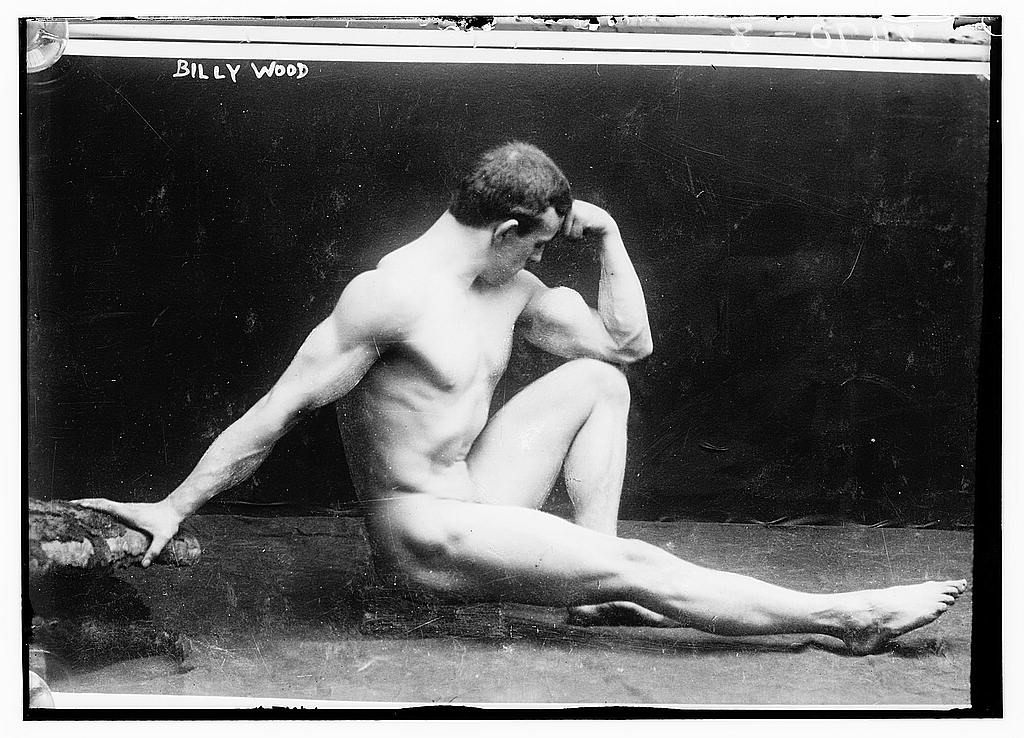
Billy Wood, the Library of Congress (Creative Commons)
Most bellydancers trying to make it in the big leagues barely have enough time to practice, teach, choreograph, and get a costume together for their next gig. Who has time to do anything else that's not sleep, eat, and work? But strength-training can actually help you get better faster.

Now, I know what you're going to say: "I don't want to lift weights." "Won't I get too muscular?" "Only body builders lift weights."

First of all, strength-training does not mean you have to lift weights. You can do exercises using your own body as weight to strength-train. For instance, do pushups, or squats, or pullups. All of those can be done from the privacy and comfort of your own home.

Secondly, it's pretty much impossible for a woman to get "too muscular." You will get some lovely definition in your abs (excellent for a bellydancer), legs, and arms. And you'll probably lose some inches in places--great incentive if you've been eyeing a new costume. But you won't turn into Miss Bodybuilder USA just by doing a little strength-training--impressing the stage crew when you're able to move that 50-lb piece of equipment on your own, however, is a nice little side effect.

Last of all, all kinds of people lift weights. With Crossfit becoming so popular, chances are there's a group of unlikely people you work with who spend their mornings in a no-frills gym sweating their way through a workout--not that you have to join them.

Now, why should you strength-train? Well, most obvious of all, it makes you stronger. Stronger helps your bellydance. You'll find yourself with more stamina, more able to perform those crowd-pleasers other dancers do, and you'll also find that you suddenly know your body so much better than before.

After starting a bodyweight program, I began to notice that I could do lower level changes much easier and faster than before. No more precarious balancing on my toes as I tried to figure out how on earth I was going to get back up! I could also dance for longer and wasn't as exhausted at the end of class, and, I looked better in my costumes. My proudest moment was being in a room full of bellydancers and seeing that my arms were far more defined than everyone else's. 

Sure, strength-training isn't dance practice, but I bet you that if you start just doing a couple of push-ups and squats before you start shimmying, you'll gradually notice an improvement. There are tons of strength-training programs out there, and what most people don't know is that they can usually be used by both men and women. Try what you can and see what works for you.

Then make a date to perform and show of your progress, and be proud of being the strongest bellydancer in the room!


Tuesday, January 10, 2012

Bellydance Makes You Smarter!

Ted Shawn and Denishawn Dancers, New York Public Library
Let's get one thing straight: bellydance is hard. Once you get past the basic "this is a hip circle, this is a rib cage circle, this is a shimmy," you have to start layering moves and walking and turning and executing a 3/4 shimmy while moving your arms. And then there's choreography to create and memorize, or if you do improv, you have to come up with moves while on stage, leading a figurative train behind you and working to keep it on track.

Well, rest assured. Not only will all that practice make you a better dancer, but it'll also make you smarter and lower your risk for Alzheimer's and dementia. A study done by the Albert Einstein College of Medicine showed that senior citizens who danced frequently greatly reduced their risk of dementia.

And you don't have to wait for your retirement years before reaping the intelligent benefits of dance, either. Dancing forces you to think creatively, and try alternate paths to a solution. Working out a difficult choreo, whether it's creating it for your students, making up your own for a solo performance, or just trying to memorize it before your troupe's show, will force you to create new paths in your brain to access the same thing: in this case, your choreo.

Or if improv's your style, there's a lot of creative thinking there. Just being the leader provides plenty of opportunity for creative thinking, since you have to come up with your moves on the spot. And if you derail the train of dancers behind you, you have to think fast to get it back on track and still make it look like you meant to do that. Even following behind the leader requires creative thinking, if you're a step behind or miss a cue.

All of this brain work we dancers have to do while practicing and performing our art means that you'll never see a stupid bellydancer. And the more frequently you dance, the more benefit you'll have. It doesn't matter if you're fifteen or fifty, any dance you do will be beneficial to your mental health.

Saturday, December 3, 2011

Breaking up is hard to do

The studios that I've danced at usually take a break for Christmas and New Year's. This week I'm facing my last practice class for the rest of the year, and the classes I teach are breaking the following week. Neither is planning on starting up again until the first week of January. Everyone is so busy around this time and it's sometimes just easier to get things done when you don't have dance class to fit into your increasingly busier schedule. While taking a break from your dance class is a relief, though, don't you feel a little bit guilty for not dancing during that time?

So what do you do during your dance break? Well, as with everything else, you have options. There's a ton of things you can do on your own time, depending on your schedule and how much you can fit in. Take a look at some of your choices:

  • Do nothing: This is probably the easiest thing to get away with over a holiday dance break. However, it's also the thing that will leave you feeling the guiltiest. After all, if you do nothing, aren't your skills going to degrade? Will your teacher notice? The thing is, though, sometimes you do need a break to do nothing, especially if you take several classes a week over the year, or dance more than five hours a week. You don't want to risk burning out, and if you're starting to hit that point, then take a full break from dancing and enjoy it. Of course, there are still some things you can do to keep the dance fires alive.
  • Try something new: Do you want to keep dancing but are feeling a little burnt out on bellydancing? Look around and see if there's any workshops or short classes in other styles of dance going on in your area. Flamenco and ballet are good ones to take to supplement your bellydance, and ballroom is an old favorite that you can take with a partner or friend. This is also a good time to go with something crazy and fun, like pole dancing or burlesque. Whatever you pick, just have fun with it!
  • Drills: No matter how good you get, you'll never escape drills. However, instead of drilling your usual hip and chest work, take the time to work on something that's been giving you trouble. Think back over the last few months. Is there a move or a piece of choregraphy you couldn't wrap your head around? Ask your teacher for some final pointers before the break, and devote some practice time to just that. Make sure you try different pieces of music so you don't get bored.
  • Watch dancers: Christmas is when all the ballet troupes are doing their version of The Nutcracker. There's also plenty of other dance theater in different styles and stories.  If you have a theater nearby, check out what they have to offer and make a date to see a professional dance show. You can even get your dance sisters and brothers in on it by forming a group to go see a show. 
  • Read a book: There are so many books on bellydancing out there. Stop by your library and pick up one or two, or hit up Amazon.com and buy something. Not only do you get some entertainment, but a book is the perfect escape from the crazy holiday season. One of my favorite fiction bellydance books is *The Bellydancer, by DeAnna Cameron. Other favorites that cover some of the history and stories of other bellydancers are A Trade Like Any Other, Serpent of the Nile, and Grandmother's Secrets.
  • Watch a video: Not just bellydance practice videos, though if you've been eying one for a while, now's the time to get it and try out. There's also documentaries about dancers (not just belly dancers) and Egypt that you can watch if you want to get a little bit of history and real life in there. If you've got Netflix, they have several dance documentaries available on streaming.

As you can see, there's plenty for you to do during your holiday break. Personally, I'm planning to see a folklorico ballet, read two books, one on the history of Egyptian performers and one on dance anatomy, and drill shimmies. I also have Zoe Jakes's new DVDs on my Christmas list, so if I get it, I'll be running through it at least once.

Do you have a favorite thing to do when you're taking a break from dancing?

*Disclaimer: I don't know any of these authors personally, though I've met Ms. Cameron several times through my teacher. I don't receive anything from the links except good karma.

Monday, November 14, 2011

Obstacles and Creativity

Ruth St. Denis, New York Public Library
Have you ever wondered how you can be more creative? Ever watched another dancer's amazing performance or choreography and wondered, "How can I do that?" Or, if you're like me, have you ever tried to choreograph something new, or improv to a song that felt really inspiring when you started, but now feels like an un-rhythmical mess? You've probably told yourself that you just aren't that creative, or maybe you're not cut out for performing, but in fact, there is a way you can help your creativity along.

There are a lot of suggestions from other creatives on how to get past your "dancer's block." Find an inspiring piece of music, watch other dancers, try a new style of dance, record yourself dancing over and over until you find what works--there are plenty of things you can do to spark your creativity. But one of the best things you can do is to limit yourself, rather than trying to step outside the box.

Psychological studies have shown that when people are given limits and obstacles, their imaginations soar. Our everyday lives are all about maximizing efficiency, and eventually we just try to find the easiest route (remember those one-class wonders who are professionals after one session?). However, when your brain is forced to operate within certain constraints, you are forced to come up with new ways to be original. Just look at ballet: a dance that has been around for more than a century, has strict rules on methods of movement, costuming, and music, and yet it's still one of the most beautiful art forms. Even instructors of modern dance, with all of its outside-the-box style, recommend that students study ballet first.

So how do you apply this to your own dance practice? Drill, baby, drill! Practice the basics, over and over, and then see what you can do with them. It's how the greatest fusions are born. Dancers started out in jazz or flamenco or ballet, started studying bellydance, and fused the two together because they knew the constraints of each dance and were able to take them to greater heights. But even if you're just sticking to bellydance, put on some music and practice the moves that form the foundation of bellydance. You're never too old to pretend to be a beginner. Or, if you're a little tired of drilling, find a difficult choreography and work on mastering it for a performance.

As for me, I'm going to start taking ballet next year. I've always loved it, and after going back and forth on different dances to try, I've chosen to stick with the classics. Of course, it is also the easiest class for me to get to--I don't want to make my obstacle too big!

So if you want to get more creative, give yourself an obstacle or limitation. Try to master a basic move you've had trouble with in the past, start taking a new dance style in addition to the one you have, or learn a new choreography. You'll not only get better at your new skill, but you'll also find your imagination expanding!

 Source: Need to Create? Get a Constraint

Monday, October 31, 2011

Practicing Effectively, or "Why Aren't I Getting Better?"

So, not everyone practices their bellydance at home. Things get in the way, you're doing so much, and if you've got a family, it's probably impossible to find the time. However, sometimes you get a few minutes to shimmy--maybe while cooking or waiting for the shower to heat up. It's enough, right?

That depends. If you're working on trying to memorize choreo or getting a new move down, sure. But if you're trying to get better, then it's not enough. But you only have snatches of time throughout the day to practice, so how are you supposed to get better?

Every time you practice, you want to concentrate on improving. If you can only shimmy for a minute or two straight before exhaustion try adding on another 15, 20, or even 30 seconds. Each time, add on another few seconds as you build up. Or, if you don't have enough time to shimmy for five minutes straight, try making it more difficult. Use a fast song, go up on releve, or do circles around yourself. Every time you practice, make it more difficult for yourself.

The same is true for the more muscular moves, like taxeem or body waves. While it's harder to measure, you can still push yourself past your maximum. Every time you drop your hip for a taxeem, try to push it a little bit further. When you do chest lifts, strain a bit more to get that little bit of extra height. Even if you can't see it in the mirror, you'll be making slow and steady progress.

The most effective method for getting the most out of your practice, however, is tracking. You may not be able to track measurements such as repetitions, weights, or distances like you would with strength training, but you can track what you do. Every time you practice, write down what you did. Did you do shimmies? Hip circles? Go over choreo? Write it down, write what music you used if you're drilling, and mention how you felt. Did you use a faster song this time and felt like your hips were all over the place? Write it down.

Eventually, you can go back through your notebook or document and view your practices, and see how you get better with each one. Tracking also helps you figure out what you need to improve. Maybe you tried drilling to a faster song one week and couldn't keep up. If you write down the song and the drills, you'll be able to look back through your notes and figure out what to practice next.

So, next time you practice, try a few of these things, and watch yourself, slowly but surely, get better.

Sunday, October 23, 2011

Thought Supression in Belly Dance

Have you ever had trouble with a dance move, and noticed that the more you think about it, the less likely you're able to do it? Or have you ever been practicing something you've been trying all week to get down, but all the practice in the world doesn't seem to be helping? You'll even see this happen just before a performance, or sometimes even when everyone else in the class seems to have mastered a move and you're still trying to figure it out.

This is called 'thought suppression', or the 'white bear' effect. It's named so because of a study where a group of participants were asked not to think of a white bear for 5 minutes, and had to ring a bell every time they thought of one. Members of the group ended up ringing the bell twice as often as the control group, who were asked to try to think of a white bear. So how does this relate to your dance practice? Well, if you're trying to master a move and keep thinking things like "I'll never get this choreography"), you'll have a harder time trying to master it.

Thought suppression can affect your dance practice negatively by producing negative thoughts. All of us can have negative thoughts, and it's easy to see the rest of your class move on without you and think that you're a terrible dancer, or to tell yourself you'll never be ready in time for the show. However, if you're still trying to practice, and banish those negative thoughts from your head, they can keep coming up, making it harder for you to practice, or to even want to practice. If you aren't careful, they might make you quit dancing all together.

Don't despair, though, if you've had trouble suppressing negative thoughts about your dancing. There are some things you can do to help you ignore or replace those thoughts:

  • Tell yourself to think about those negative thoughts--much like trying to make yourself hiccup when you have the hiccups. By trying to think of something negative, you'll find it harder to come up with something, and soon you'll forget what it was you were thinking about. 
  • Distract yourself. Rather than work on something you're having trouble with, work on something you excel at, and try to make it better. When you return the original dance move or choreography, you'll be less likely to think of those negative thoughts. 
  • Learn to meditate. Now, meditation won't banish negative thoughts immediately, but as you learn to empty your mind and dismiss thoughts as they come to you, you'll have an easier time ignoring negative thoughts during dance practice--definitely something you want to hold on to for the future!


Resources
Why Thought Suppression is Counter-Productive
Thought Suppression