Showing posts with label bellydance. Show all posts

Saturday, February 2, 2013

Dancing As Healing

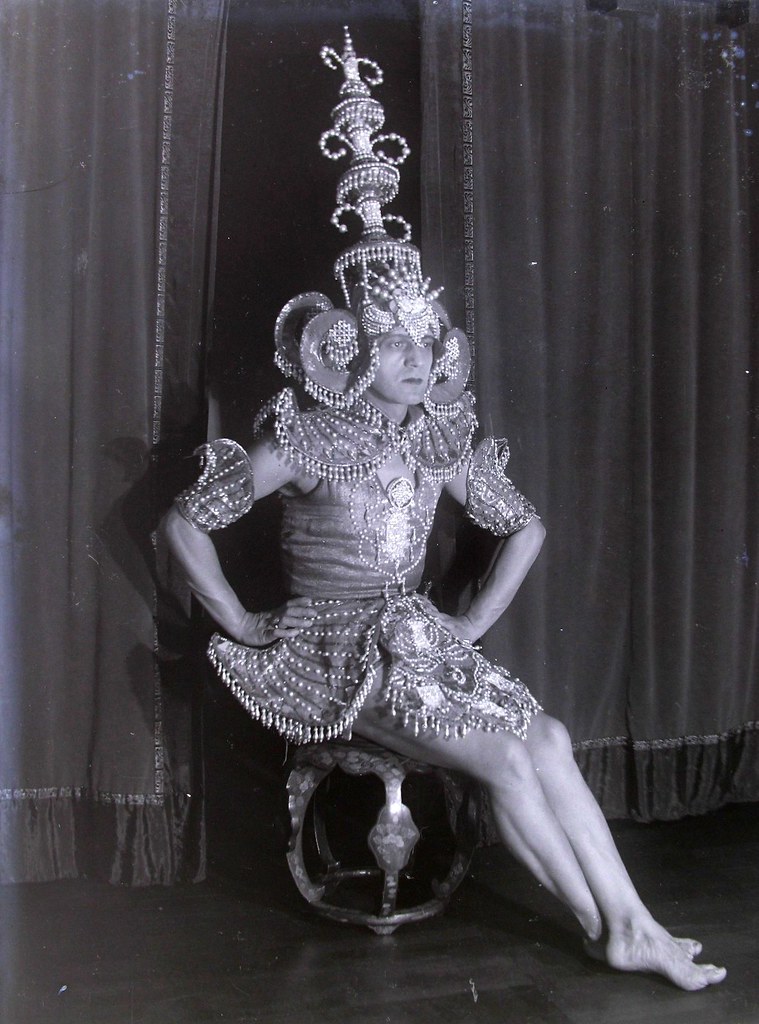
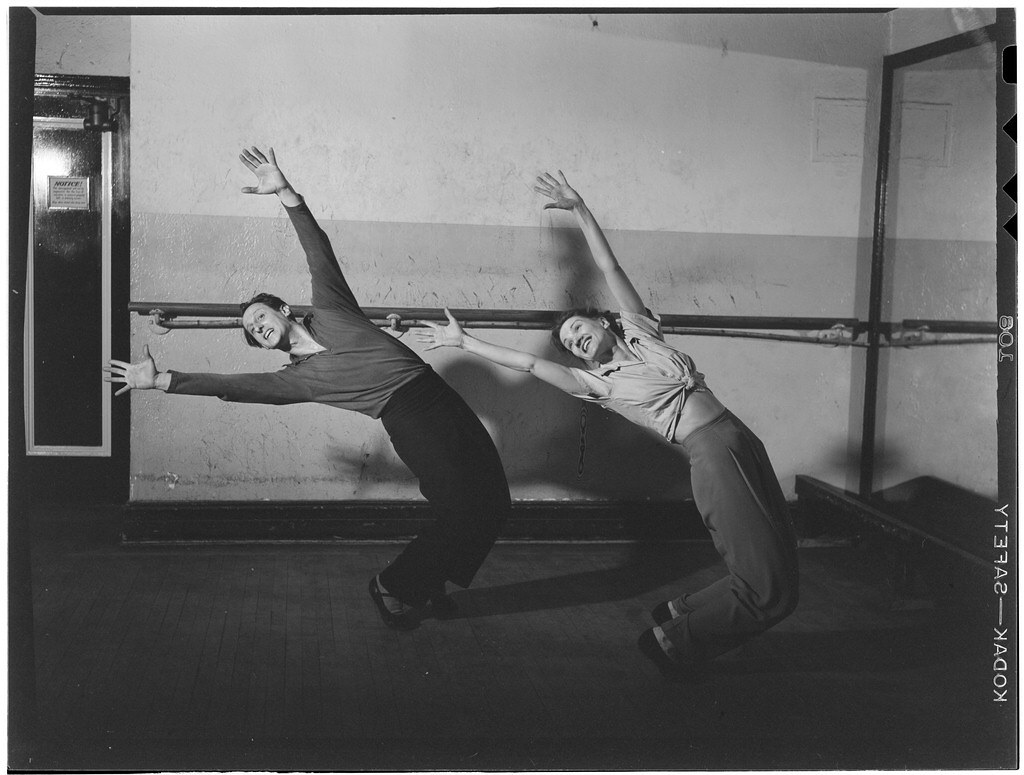
Nijinksy, Library of Congress
Four months ago, my dance teacher broke up with her long-term boyfriend. She immediately threw herself into a new choreography with props and custom costumes, and planned an elaborate stage show I was lucky to be a part of.

Around the first of the year, I experienced my own heartbreak. The following night, I got on a stage with my troupe around me and danced. And then I danced on stage the next week. And the week after that.

For me, dance is a way of expressing the feelings I can't express, or that feel as though they are about to poisoning me. Though my heart was cracked that first night on stage, I still felt the love of getting my makeup done, even though my face was swollen from crying. I still felt the creativity and beauty as I put my costume together. I still experienced the excitement of getting on stage, the thrill of the music, the togetherness of dancing with my troupe, even as the one person I wanted in the audience wasn't there.

Since then, I have danced as much as possible. I've taken new dance classes, made new dance friends, and through it all, dance and music have brought me through. When I am feeling lonely, I go to class and my students or fellow dancers cheer me up. Last week after a particularly bad weekend, I settled into the slow taxeem of ITS and just felt as though I belonged. There have been mornings when I felt so low I just had to get up and out of bed and dance. In fact, some of the people who have been there for me the most, who have given me light, have been people I have danced with.

If you have been dancing long enough to feel comfortable doing it, the next time you feel low, experience heartbreak, or just need a pick-me-up, try putting on some music and dancing it out. Play a song that particularly speaks to you, a song that makes you feel happy, even something silly that just makes you laugh. Grab a friend or family member if you can, and just dance. The feeling of the music, of putting yourself back inside your body again, of slowly finding yourself again when all seems lost, they are things that can heal you. At the very least, it'll help you get your mind off your sadness for awhile.

Or go to a dance class.

To me, dance class is the nail shop for dancers. There's the camaraderie of women doing the same thing you are--learning the steps, the moves, the music, gossiping, talking about spouses and significant others, complaining about work and family. It's hard to imagine that the woman next to you in line at Starbucks ever experienced the same thing you did, but when you are doing the same choreography as that woman, or following her lead in improv, you have a better sense that she is coming from the same place--everyone has their own problems, everyone has their own heartaches.

The roots of belly dance lie in the houses of women who danced for each other because they couldn't dance in public. They danced for birth, for death, for love, for life. No matter your style of dance, take a lesson from them. Use dance to get you through life's joys and sorrows, and remember that there will always be someone to dance with.


Thursday, October 4, 2012

Teaching the Same Choreographies

So, you've found yourself teaching your first belly dance class, congratulations! Teaching baby belly dancers how to do basic moves and watching as they grasp how to circle their hips or handle a veil is so rewarding. But after the first few weeks or months almost everyone has usually grasped the basics and are looking to you to provide more. But your new students aren't ready for a performance yet, nor are they ready for an advanced class. What do you teach them now?

They might not be ready for a performance yet, but that doesn't mean they shouldn't learn a choreography! Getting used to remembering a long string of moves will be helpful later, as well as give them an early shot at learning how to combine all those moves together in a 3-6 minute sequence. Plus, you'll be ready for a performance at a moment's notice, once they've got a good choreography under their belt.

But once you've got that first choreo down, then what? Do you just keep rehearsing it? No! Teach them another one. So they're still not ready for a performance? No matter, there's a huge benefit in having a group of dancers that all know a couple of the same choreos. Why is that?

Well, if you have a couple of go-to choreos, you will always have dancers that can perform it. You'll always be ready for student performances, and you'll give new bellydance students something to aspire to. A new bellydancer will see dancers in the classes above her performing these dances beautifully, and she'll want to work for the day when she can perform with them. Also, you have a crop of dancers who can help out the baby dancers and practice with them outside of class--you have a built in team!

And if you're introducing a new choreo, you can spend entire classes working on combos or breaking down skills needed for a specific move. Class planning at its easiest!

Also, you'll be following in the footsteps of many a professional dance company. Several dance companies are known for the dances they put on year after year, and the choreography that goes with them. They don't change it up very often--why should you? Don't be afraid to tweak it every so often, if you don't like a part or you just notice your dancers having a hard time with sections, but there's no reason to throw out all your hard work and start afresh. If you want something new, just add it to your repertoire!

My very first dance teacher had 4 or 5 choreos that she taught beginning students. I recently saw a video of her latest students doing a performance--they were still doing the same choreos I learned in her beginning class, but each dancer added her own personality to it. If you stick to a set of core choreographies, you won't ever look like the same tired old troupe. There's always new dancers, new costumes, new blocking, and new venues.

In short, having a set of choreographies is only beneficial to you and your students. You'll have an easier time planning classes, your students have something to work towards, even if it's not a performance, and you'll always be ready for a show. You can't beat it!

Tuesday, September 18, 2012

Collaboration or Competition?

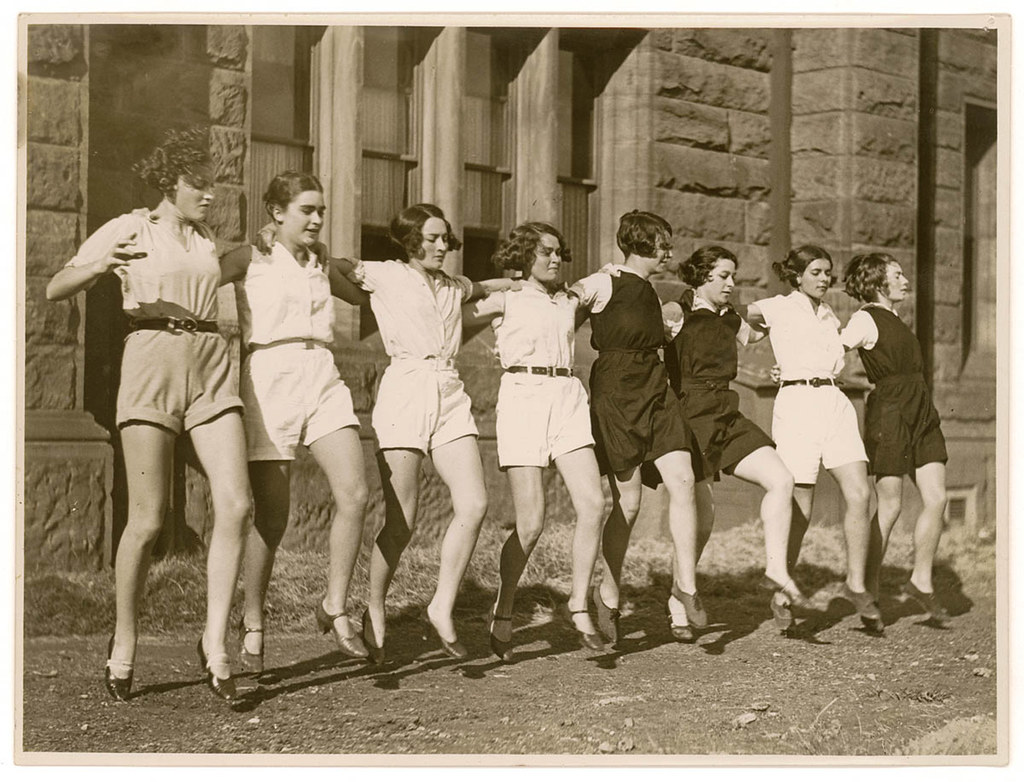
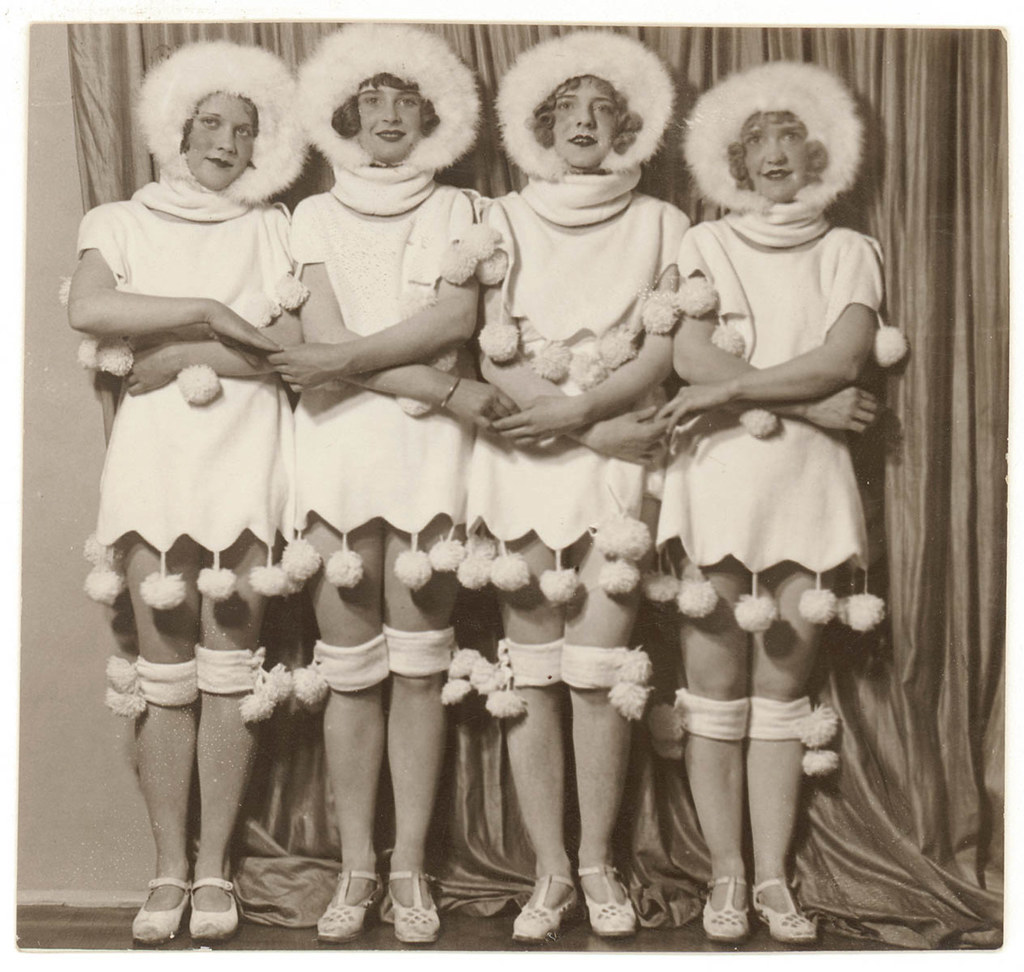
Girls dancing, by Sam Hood. State Library of New South Wales
Belly dancers are a small group. We're not widely known (just remember the comments you got the last time you told someone you're a belly dancer), and we often end up in the same areas due to low resources of teachers, classes, and gigs. So it becomes a small world. You end up seeing the same faces at all the events, in your classes, the same teachers in the same areas. After awhile, you begin to feel like there's just too many belly dancers!

While having a small community of belly dancers can be great for finding new friends and dance buddies, you also run the risk of competing against the same people for jobs and performances. Tempers can flair, people can get catty, and you soon wonder if you just have to become a ruthless belly dancer in order to get anywhere in life. But you miss the community aspect of it still. So which is better? Collaboration or competition?

Competition 

So it's no good trying to make friends with the local dancers. The next best thing is to compete against them, right? Well, if you've got some tricks up your Isis wings that they don't, this can work for you. Maybe you went away to a festival and learned a new technique that no one knows yet. Or you've got an in with a popular troupe who decided you were the best dancer to impart their new wisdom on. Or you're the only Bollywood-Flamenco-Hip Hop-Ballet Fusion Belly Dancer in the area. Either way, you've got a unique style and everyone wants to learn it or watch it. So you win, right?

Not always. Sure, it feels great to be the dancer in demand when the 'popular' crowd didn't think you were fit to fold their veils, but you lose a lot, too. If you don't have a skill or style that's in demand, or that people want to learn or watch, you might have the urge to resort to other tactics, such as undercutting other dancers, turning new dancers against your rivals, or even just plain old sabotage. Undercutting is one of the biggest ethical breaches you can make as a belly dancer, spreading stories about other dancers is plain rude, and sabotage is just outright wrong. And, in the end, you have to deal with all the stress of constantly staying on top of your skill, learning new things so that you can always be the biggest dancer on the block, and you might never have any dancer friends. Sure, you'll have tons of followers, but it's hard to be best pals with people who want to learn how to be like you. It's a lonely way to live.

Collaboration

So why is collaboration good for you? Well, it opens the door to learning new things from other dancers. If you collaborate with a group of fellow dancers, each one of you brings something new and different to the table. You have a better chance of producing something unique. And collaborating with other dancers suddenly opens up your network. Each dancer in the group knows people you don't, and it'll be easier to get gigs and performance slots if you know someone who knows someone. Also, even just teaching classes is augmented by having a group of dancers work together. You've got automatic marketing. Your collaborators can talk you up to their students, or if they have a student who doesn't fit in their classes but might fit in yours, they can send them your way, and you can do the same for them. Everyone wins, right?

Usually, yes. But with a group of dancers who always work together, you run the risk of becoming stagnant, and always doing the same thing. And if you've got shy members of the group, they might have some really great ideas, but are too afraid to express them for fear of getting shot down. You also might lose out on new blood if no one is willing to break into your group, if you make it too exclusive--you might even end up being the 'popular' kids on the block that everyone hates.

The Best Option

Which is better, than? Well, that's easy: both! It sounds crazy, but people who have studied group work versus solo work found that both styles, used together, work the best. Instead of brainstorming with your fellow dancers, brainstorm alone. When you meet up with your group, everyone reads off their ideas, and the merits of each get debated. Sure, if you all came up with something together, you might end up with a really great performance idea or new class to teach, but most of the time, people end up agreeing with the alpha in the group.

By brainstorming alone and debating in a group, everyone has a chance to have their say, and you'll see even the shy dancers coming up with really creative ideas that you know you'd never think of. And if you advertise yourself as being open to new ideas from other dancers not in your group, you can always have a fresh crop of dancers who might want to collaborate on a new project, and you get to be part of something really great. By having other dancers come in and out of the group, you'll never stagnate or grow old, and you'll be well-liked and known as a group of creative dancers who always pulls out all the stops.

Your Turn

Do you have experience with collaboration or competition? Which did you like best, and why?

Tuesday, August 21, 2012

Comparitis

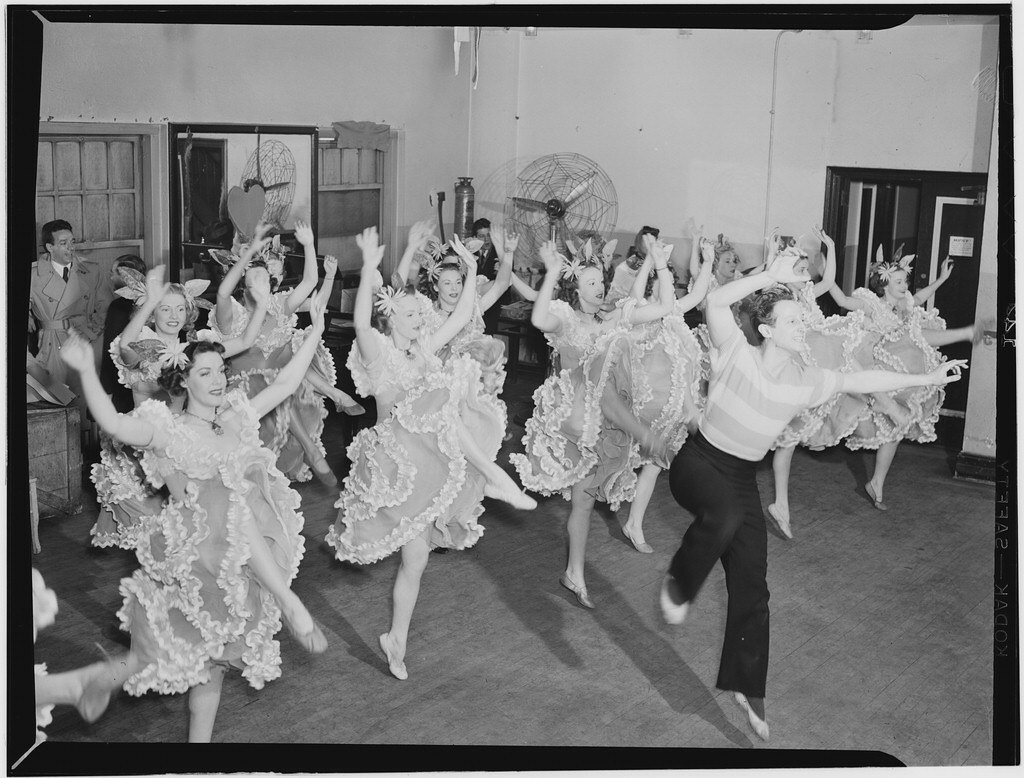
Chorus Girls, State Library of New South Wales
You don't know it, but every dancer out there has it. Anyone can catch it, no matter how long you've been dancing. And once you have it, it's difficult to get rid of. What is it?

Comparitis.

Comparitis is comparing yourself to any other dancer. It doesn't matter if she's younger than you, been dancing longer than you, or does a completely different style then you, you'll ultimately end up comparing yourself to another dancer at more than one point in your dance career. You'll see her on the stage or in a video, and think, "Why bother? I'll never be as good as her."

I nearly caught Comparitis last week. I've been practicing with Rachel Brice's new online studio, Datura Online (check it out--classes for every dancer!), and as I tried and failed at the combination that Rachel (of course) made look like a child could do, I started to get that feeling again. For me, it starts as a sweaty, panicky feeling. Then the worry starts in the back of my mind: "What if I'm not good enough? What if I never get this?"

Luckily, Rachel had already taken to Twitter to help other dancers beat Comparitis. After someone mentioned difficulty learning a combo from one of Datura's new videos, Rachel replied that it had taken her days to memorize and learn the combo, even though she was the one who created it!

When you find yourself coming down with Comparitis, take the following remedies to hold it off--maybe even make you immune forever!

1. Remember that every dancer, including the one you are comparing yourself to, started out somewhere.
2. Every dancer is unique, especially you. You have different bodies, different background, may have done different types of dancing, had different teachers--the list goes on. No dancer takes the exact same path as you.
3. Realize that the dancer you're comparing yourself not only had to come up with what she's doing, but she had to practice it, drill it, do it until she could do it in her sleep. You're seeing the end result of months and years of hard work.
4. You're comparing your insides to someone else's outsides. The dancer you're comparing yourself to has probably looked at another dancer and said the same thing: "I'll never be as good as her."
5. Keep practicing!

After working with the new Rachel combo for 30 minutes, I was confident enough with it to think about adding it to a performance I'm doing next month. But first, I'll have to practice it a couple times!


Wednesday, August 8, 2012

Structuring Your Practice

Ruth St. Denis in the Cobras, New York Public Library
Now that you've figured out how much time you have to spend on dance practice, what do you do with that time? What's the best use of it, and how can you make sure you get in all the practice you need?

Fifteen Minutes
If all you've got is fifteen minutes, then it's drill, baby, drill! Make sure you warm up first, so do a minute of jumping jacks or jump rope or something to get your blood flowing. Then pick three short drills. For instance, maybe you can do 3/4 shimmies, chest lifts, and head slides. Put on your favorite music, and drill for about fifteen minutes. Then cool down by stretching out for a minute or two after.

Thirty Minutes
Thirty minutes gives you a little bit more time. Spend longer warming up, about five minutes. You can drill here, and you can even practice combos. Or, if you're getting ready for a show, just dance out your music for half your practice time. Thirty minutes give you plenty of time to throw in a couple of drills and then experiment a little. Finish up with five minutes of stretching.

Forty-Five Minutes
You've got forty-five minutes! What's a technique you've been wanting to learn or practice? Start with a five-minute warm-up, then drill your basis for about ten minutes. Then you can dedicate a solid chunk of time to working on a specific technique.  Fifteen or twenty minutes, and make sure you don't over-do it. Then you can throw in a couple of creative things, maybe put on a song you've wanted to solo with and see how your body responds. Finish with a nice long cool down and stretch out your muscles--you'll need it.

One Hour or More
If you have an hour or more, you can really spend some time in the warmup and cool down. If you're a yogi, do a couple of yoga stretches to warm up your muscles. Some sun salutations will get you all ready to go. If you can't tell your downward dog from your cat pose, then some jumping junks, lunges, pushups, and squats will get your muscles nice and warm, and will help you build strength. Once you're all warmed up, you'll want to keep things interesting. Drill for about twenty minutes, then switch to technique, then go to creative, then maybe go back to drilling. Or, if you have a bellydance technique video, put that on and do some of the exercises. You can even try to learn something new by watching YouTube videos or performances. When you're out of time, do a nice yoga cool down. You've been working hard, and you'll want to avoid any soreness the following day.

No matter how little time you've got to practice belly dance, you always have time to do something. Now you have no excuse to not practice, so figure out how much time you've got, and get out there and dance!

Tuesday, July 24, 2012

When Do I Have Time to Practice?

George Eastman House
Dance class is great, but the only way you're really going to get good is if you practice. Sounds easy, but if you're like most dancers, you've got a day job, family, other hobbies, errands, bills to pay, and a whole slew of other things until you're facing the end of a very long day and you realize you haven't practiced yet.

So how's a busy dancer supposed to fit in the time to dance? Well, how much time have you got?

Most people don't realize that they can usually free up to an hour a day. For instance, I'm sure you all know how much time we spend on the computer and watching television. But look at your media consumption. Do you really need to watch that half hour comedy? Do you really have to check Facebook again? If you're reading this and thinking to yourself, "Hey, I don't spend that much time watching TV or on the computer!" just try tracking yourself for a week. Carry around a little notebook, and write down your activities. Make sure you're honest, too, or it won't work.

You'll be pretty surprise at how much time you spend doing nothing at all. This is all time you can use to spend dancing! You may not free up an hour, but you can at least give yourself a little bit of time here and there to do some drills or go over a new choreography.

What if you have commitments that leave no free time a couple nights a week? Well, you can do things like get up earlier. Even getting up fifteen minutes earlier can give you some time to devote to dance practice. I used to do this when I was taking three dance classes a week, and it really helped improve my dancing that year. If you can't get up early, though, you don't need to practice every day.

Instead, look at your weekly schedule, and figure out where you have blocks of time. Maybe you're busy three nights a week, but the other two nights are pretty empty. Set aside a chunk of time both nights and use that for your dance practice. What if you don't have any weeknights free, but weekends are wide open? Then schedule out an hour or two on those days, and dance.

Okay, what if you have no time at all?

Really?

Take a good, hard look at your schedule. There is always something that you can drop, shift, or stop doing. If you're still having a hard time, sit down by yourself, no distractions, and write done what's really important to you. Belly dance should be on that list, but you'll also find that a lot of stuff you waste time on is not. Once you write down all the things that are important to you, look at the things you do every day that have nothing to do with your list.

Then, instead of stopping them all at once, pick one to replace with dance practice. Maybe you feel like you have to watch a television show every week. Try recording it (or ask someone to record it for you), and use that time instead to practice dance. Even if it's just half an hour a week, do that first. Small changes make a big difference, and I'll bet you'll find after awhile that you don't even miss that thing you used to do before you replaced it with bellydancing.

Above all, finding time for bellydance practice really boils down to deciding how important it is to you. If it's important to you, you'll find time to do it. Ask yourself what you want to remember doing when you're too old to dance (hopefully never!): bellydance, or some inconsequential thing you'll forget next week?

Thursday, June 28, 2012

Survival: Your First BellyDance Festival

The Library of Congress

There are many bellydance festivals out there: Tribal Fest, Rakksah East and West, Tribal Revolution....the list goes on. My personal favorite, though, is Long Beach, California's Cairo Caravan, taking place every year on the first weekend of June. Three days of dancing and shopping on the Queen Mary--what could be better?

This June was my third Cairo Caravan. I first found out about it just a few months before attending, as my troupe was preparing to perform, and I definitely wasn't prepared for the festival and probably missed out on a lot. So, in preparation for your first festival, or even your hundreth, here's a few tips from my years of attendance.

Time
How long are you planning to be there? The whole time? Just a day, a few hours? If you're going to be there more than a day or two, my advice is to get a hotel room near the festival. You'll save yourself a lot of hassle. Even if you're local to the festival, as I am with Cairo Caravan, getting a hotel room means you spend less time going back and forth to pick up costumes, drop off shopping, get dance gear, and you won't have to worry about traffic or parking. It's much less stressful to not have to worry about getting to and from the festival each day, and if you are performing, getting ready in a hotel room is much nicer than getting ready backstage with a dozen or more dancers.

What to do
If you've never been to this festival before, look up as many photos as you can. Even though I was told about Cairo Caravan before attending (lots of shopping!) I still couldn't fathom how big the event would be until I actually saw the space for myself. Ask your fellow dancers what to expect as well, though remember that their perception of the festival might be different from yours. Check out the website, too, to see if there are any special events: shows, workshops, free lectures and demonstrations, or parties. Then, knowing how long you have to spend there, lay out a loose schedule for yourself. It doesn't have to be a strict one, though if you're performing or taking workshops at a certain time, you'll want to stick to those, but make sure that if there's something you don't want to miss, you make an effort to schedule in.

Workshops
With any great festival comes great workshops. But you don't want to overload yourself so you have no time to enjoy everything else--the shopping, for instance, or the performances. If it's your first or second festival, look at the list of workshops and pick 1 or 2 must-haves, then a couple of backups in case one is full or you have more time. It's good to go with something you really want to learn more about, but try to find something completely new and different to expose yourself to.

Performances
If you're performing, chances are, you don't get much say in where and when. But if you are just going to a festival to watch performances, then the sky's the limit! Figure out if there's must-see performers--for instance, is there anyone famous performing that you don't want to miss? A friend who got a slot this year and you want to support her? Find out when they perform as soon as possible so you can be sure to get a good seat, especially if it's a famous dancer. If you just want to see some dancing, watching performances is a great way to rest and recuperate, especially if you've been running around like crazy trying to fit everything in!

So those are the key things to remember for any bellydance festival. However, don't forget to have fun! Bellydance festivals are great places to meet new dance friends and learn new things, so make sure you make that the first item of your to-do at your next festival.

Wednesday, May 23, 2012

Burn Baby Burn: When You're Just Tired of Dancing

Harry Furniss, State Library of New South Wales
Sometimes, it can get to be too much.

Whether it's the drama, the back-to-back shows, the in-fighting, or just your life outside of dancing, you feel like you can't even find it in you for a good shimmy.

And that's okay.

It doesn't always mean you're not a dancer anymore, or you're ready to quit. Sometimes you just need a break. Sometimes, you need to take care of life. Sometimes, you just need to find a new troupe. But if you find yourself approaching burnout, you need to take a step back and figure out what's bothering you before you just want to throw up your zills and quit.

The last thing you want to do is walk away from dancing and regret the decision later in your life. So how do you keep that from happening?


First, recognize the signs
If you're supposed to be going to class and instead you're trying to think of anything to make you late or keep you from going, you're definitely trying to avoid class. Or if you do get to class but don't give it your all, there may be a problem. Are you just tired that day? Something in your personal life affecting it? Is this another night this month that you just don't feel like dancing? Are there dancers you're trying to avoid? Sit down and figure out why you don't want to go to class. This is an excellent time to freewrite in your dance journal. Just get out your journal and pretend you're five again: "I don't wanna go to class. I don't wanna dance. I don't wanna stretch out. I don't wanna do our choreography again. I don't wanna listen to Miss Perfect getting praised again. I don't wanna listen to them complain about everything." Keep your pen moving, and you'll start writing down the real reasons you don't want to go.

Okay, I know why I'm avoiding class. Now what?
Once you've figured out where the problem is, you have to figure out what you're going to do with it. Is your class preparing for a performance that you don't want to do? Are you tired of having to relearn the same things over again? Are you learning something new that you're having too much trouble with while everyone else seems to get it? These require a talk with your teacher. Ask if you can sit out the performance (and don't ever be afraid to sit out a performance!), or take privates with her to improve other areas and give yourself a challenge. Or ask if you can move to another class--maybe you feel like you're ready for the next level, or there's another class that's not going to perform. It never hurts to just ask.

If your problem is with the drama of your fellow dancers or teacher, then it might be time to find a new class. You definitely don't want other dancers impacting your enjoyment of bellydance, but it can happen. Ask other dancers for recommendations, or check out your local bellydance hub. It's hard to start over again, but burning out because of other dancers' drama is even harder.

If it's your personal life that's making you avoid dance class, talk to your teacher about taking a break. Work, family, kids, spouse--sometimes life just gets in the way.  Remember that the most important thing is for you to take care of you first. If it means taking a break from dancing, there is nothing wrong with that! If you're worried that you won't return to class after a break, discuss a potential restart date with your teacher, and mark it on your calender, then set a reminder a week before. When that reminder goes off, discuss with your teacher and/or family your return to dancing, and see if you need a longer break or if you're ready to get back into the swing of things.

Before the burnout
Again, the most important thing you can do is take care of you. If you really love dancing, you don't want to burnout early. Take a break, change your classes, but most of all, don't be afraid to speak up. The worst thing you can do is do nothing and then bellydance is no longer enjoyable to you no matter what you do.  And there's also your fellow dancers to talk to--tell them what you're going through, and I'm sure they'll be able to tell you of the time they almost quit, and how glad they didn't, and what they did to get through it!


Tuesday, April 24, 2012

I'm Just Not Creative!

Chorus Girls, 192-; New South Wales Collection

Ever think you're one of those people who just can't be creative? Do you listen to a song and think you could come up with the best moves to do with it, but when you try dancing to it, you can't remember any of it? Do you see other dancers' beautifully handmade costumes and wonder if you could ever make those costumes yourself? Or have you ever seen a really great stage show and thought to yourself "Where did they learn to do that? I could never be that creative!"

While just getting on a stage and dancing in public is difficult enough, really getting good at putting on a show might seem like an impossible skill. And it is hard: there's the music you have to pick, the costumes you have to put together, the choreography to come up with, your makeup and hair to do. Doesn't it ever feel like some of this stuff just comes naturally to other dancers? Don't you ever wonder if there's a secret to being creative?

Well, there is, and it's very simple: Practice.

Just do it!
The secret to getting better at being creative is to practice at being creative. You've going to have to work at it. Dance every chance you get, perform every chance you get. Put on music and try to make up something to go with it, even if it's just a 24-count section. If you're worried about someone seeing your attempts, lock yourself in your room or studio. You might feel uncoordinated or silly, but do it anyway.

If it's costuming you're having trouble with, just start pulling all your bellydance costuming out of the closet. Or, pick another dancer's costume and try to put together something similar using just the items in your closet. Just because you're not going to wear it on stage doesn't mean it's wasted time. You can even put the costume on and parade around the house in it, maybe film yourself dancing it a few times.


But I've tried to and I'm just not any good!
Have you really, though? Have you tried making up choreography or improv to a song? Have you done more than one performance? Have you tried dancing for your friends to see what they think? Have you gone out in public in that costume? You're better than you realize, but when you look at yourself through your own eyes, it's hard to see yourself as a great dancer.


Another thing that will help is to practice with friends. Put together a choreography workshop where you and your friends can work on individual pieces. It really helps to get feedback on your work sometimes, and you'll find that you're not as bad as you think you are. With your costume, get your friends together and do a costume swap. Throw everyone's things in the middle and start pulling pieces out and put costumes together.

Keep it simple
If you're still having trouble coming up with choreography or costumes, just narrow it down. Find a piece of music you like, and challenge yourself to use the same three moves. See what you can do with it. Record yourself if you can, and see what you can come up with during that time. Or, if you already know a choreography from class, just do the same choreo to the same music, and change the emotion. Do it sad, or romantic, or angry, and watch how the emotion completely changes the pieces.

With a costume, put together a 'dance uniform' and just add one or two things to it to make it different each time. Start with a basic skirt and bra, then change up the jewelry or belt, or do something different with your hair. Play around with your accessories.

Record, record, record
While you're playing around with choreography and costuming, make sure you keep a record of all the things you do. Pick up a cheap video camera, or record yourself on your phone. Take pictures of your costumes, either while you're wearing them or laid out somewhere. Keep them somewhere on your computer, and date them, so you can go back and watch yourself progress.

Before you know it, you'll have become much better at being a creative dancer, and you'll wonder how on earth you ever thought you couldn't do it!


Tuesday, February 21, 2012

Happy Anniversary (or, My Bellydance Story)

Ruth St. Denis, New York Public Library
Five years ago, around this time of the year, I wandered into a consignment store on Lighthouse Ave. in Pacific Grove, California, and asked the tall blonde lady at the counter if I could come to her bellydance classes.

At the time, I had very little dance experience: I'd done the requisite tap and ballet classes as a child, and then performed on the colorguard in high school but I'd always had a hard time keeping up with almost everyone, was chastised for my claw hands and inability to do a hip circle, and forget school dances! I always tried to hide in a crowd of friends because I had no idea what to do on the dance floor.

My first ever bellydance class was an advanced one--I can't really remember how I ended up in it, but I do remember how hard it was to keep up. Even though I'd studied some of the basic moves using Youtube videos, I still couldn't make my body do what I asked of it. And yet, for some unknown reason, I kept going back.

I kept going back even though I was asked to perform a scant five weeks later, and I kept going back even though a 3/4 shimmy remained a completely foreign concept to me, and asking me to move my hips in conjunction with my arms was like asking me to move a mountain. But I faithfully went to class twice a week and became so enamored with bellydance that when I moved back home and away from Pacific Grove less than a year after my first class, one of the first things I did in my new place was find a bellydance teacher.

Everything I am today stems from that first bellydance class I took. I have danced on stages when I was so terrified I couldn't feel my legs and kept smiling, I have met women and men I've admired from afar and discovered that they are no different than I am, I have made amazing new dance friends, and I have stopped being so afraid of being myself. This year alone, I am doing things that I would have never imagined myself doing, and because of my desire to be a better dancer I am in the best shape of my life. Bellydance has so changed who I am that one day a few months ago, I was driving home from the bellydance classes that I now teach (who'd have thought I'd be teaching?) and realized that, at that very moment, I had never been happier before in my life.

So, for the space I have to dance on, the music I have to dance to, my teachers and my ancestors, and most of all, all the dancers I have to dance with: thank you for the last five years, and here's to five times many more!

Tuesday, February 14, 2012

You Can Be Just As Talented As Rachel Brice

Petipa, George Eastman House
How do you usually practice?

You'd think that practicing at all outside of class is enough, right? As long as you put some music on and shimmy while you're doing the dishes, as long as you dance to a song or two while you're drying your hair, as long as you practice zilling to the top 40 in the car, you're still practicing, right?

But then you get to see all those beautiful dancers who are so flexible and so sharp and just so good, and you tell yourself that they're just really talented. Natural-born bellydancer, right?

Wrong.

First of all, nothing you do in bellydance is natural, except maybe a hip shimmy, which is really just exaggerated walking. And yes, some people are taller or shorter or heavier or skinnier than you. But apart from that, there's very little difference between you and that dancer you envy*cough*admire. Just the one thing, in fact.

They use deliberate practice.

What is deliberate practice? Well, it's right there in the name. You are practicing deliberately. "Well, isn't all practice deliberate?" you say. "I'm not just accidentally doing chest lifts here!"

To practice deliberately, you not only need to take the time to practice, but you also need motivation to practice, an understanding of your vocab of moves, self-awareness, and repetition.

So how do you get these things?

Well, motivation is the tough one. If you're not motivated to practice or even dance, you should ask yourself whether or not this is the thing for you. But even if you know you want to be a dancer, motivation can be hard to come by when you've had a long day and you're tired and sore and you feel clumsy. For those days, put together a motivation pack. Get some music that gets you dancing, even if it's not your typical bellydance music. If you've got a great DVD that really inspires you, save it for the tough practice nights. Or get a list of YouTube videos that make you want to move and watch those just before practicing. Another way to motivate yourself is to sign up for a performance--nothing will get you practicing faster than an upcoming performance.

Understanding your bellydance vocab means getting to class and learning. And it doesn't just have to be your regular class, either. Check around and see if there are any workshops or new teachers coming through your area. Or plan a road trip with your troupe and visit another studio. Never stop learning new things, and bring them to the table every time you practice. And if you learn something new that doesn't quite make sense to you, don't feel bad about asking for a better explanation.

To be self-aware while you're dancing means getting feedback on your progress, whether it be from a mirror, a video, a friend or teacher, or even just the way the move feels on your body. If you've been dancing long enough, you'll know when you've done something right or not. And it doesn't hurt to ask your teacher or a dance friend to tell you when you need to work on something. Make sure you videotape your performances, and every once in awhile, trot out the camera for your practice, too, so you can check to see if there's anything you need to work on. Another good idea is to keep a dance journal and write down what you're working on and how it feels. That way you can go through it and see where you're improving and where you're lagging behind.

Repetition is the easiest one--you've already been doing this. Just keep practicing it!

Next time you practice, pick at least three things you want to work on, and make sure they are moves you know how to execute. Then, throw on your favorite piece of music, turn on the video camera or grab a friend, and spend fifteen minutes practicing those three moves. When the fifteen minutes is up, watch the video or ask you friend to see how you did. Take notes on what you need to work on, put it in your dance journal, and then use it to structure your next practice. In no time, you'll be just as talented as those dancers you admire!

Tuesday, January 24, 2012

My Bellydancer Can Beat Up Your Bellydancer

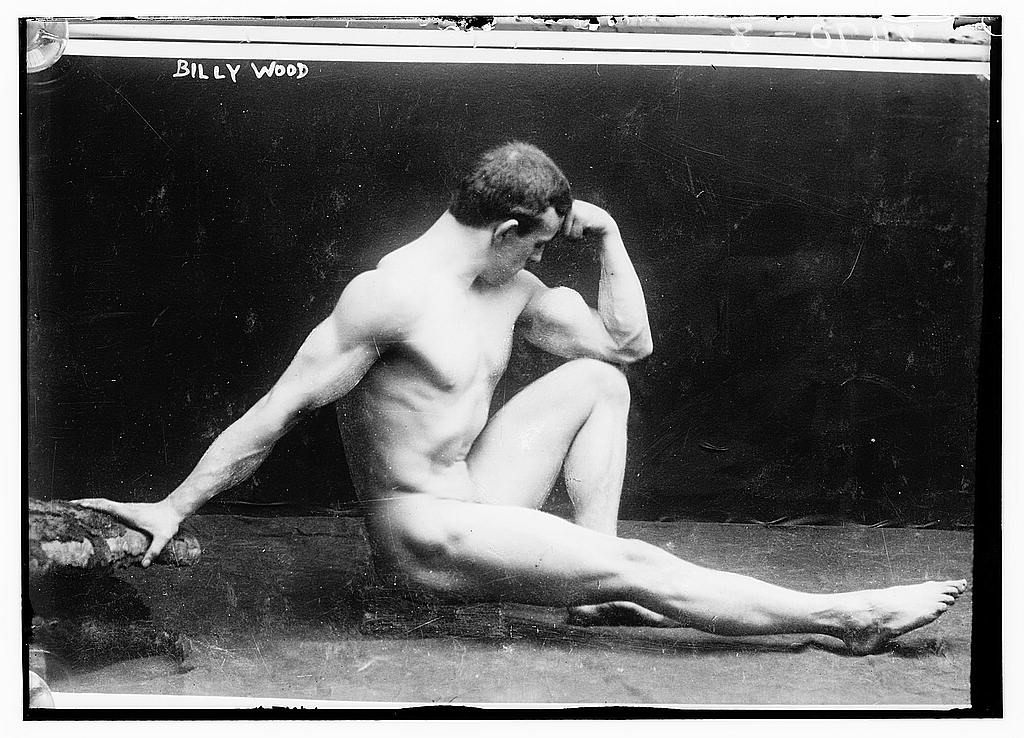
Billy Wood, the Library of Congress (Creative Commons)
Most bellydancers trying to make it in the big leagues barely have enough time to practice, teach, choreograph, and get a costume together for their next gig. Who has time to do anything else that's not sleep, eat, and work? But strength-training can actually help you get better faster.

Now, I know what you're going to say: "I don't want to lift weights." "Won't I get too muscular?" "Only body builders lift weights."

First of all, strength-training does not mean you have to lift weights. You can do exercises using your own body as weight to strength-train. For instance, do pushups, or squats, or pullups. All of those can be done from the privacy and comfort of your own home.

Secondly, it's pretty much impossible for a woman to get "too muscular." You will get some lovely definition in your abs (excellent for a bellydancer), legs, and arms. And you'll probably lose some inches in places--great incentive if you've been eyeing a new costume. But you won't turn into Miss Bodybuilder USA just by doing a little strength-training--impressing the stage crew when you're able to move that 50-lb piece of equipment on your own, however, is a nice little side effect.

Last of all, all kinds of people lift weights. With Crossfit becoming so popular, chances are there's a group of unlikely people you work with who spend their mornings in a no-frills gym sweating their way through a workout--not that you have to join them.

Now, why should you strength-train? Well, most obvious of all, it makes you stronger. Stronger helps your bellydance. You'll find yourself with more stamina, more able to perform those crowd-pleasers other dancers do, and you'll also find that you suddenly know your body so much better than before.

After starting a bodyweight program, I began to notice that I could do lower level changes much easier and faster than before. No more precarious balancing on my toes as I tried to figure out how on earth I was going to get back up! I could also dance for longer and wasn't as exhausted at the end of class, and, I looked better in my costumes. My proudest moment was being in a room full of bellydancers and seeing that my arms were far more defined than everyone else's. 

Sure, strength-training isn't dance practice, but I bet you that if you start just doing a couple of push-ups and squats before you start shimmying, you'll gradually notice an improvement. There are tons of strength-training programs out there, and what most people don't know is that they can usually be used by both men and women. Try what you can and see what works for you.

Then make a date to perform and show of your progress, and be proud of being the strongest bellydancer in the room!


Tuesday, January 17, 2012

Who is Your Muse?

A muse has been described as many things: elves that live in the corner of your room, beautiful women who whisper into your ear, your dance steps flying towards you on a gentle breeze or wild gust of wind. "Sing in me, muse, and through me tell me the story," says Homer's Odyssey.

While a muse may never be something you'd consider as a dancer, it's actually a huge benefit. For one thing, it takes the pressure off you. Say you're just having a bad day in dance class. Instead of telling yourself what a terrible dancer you are, and how you'll never perform again, you just remind yourself that you still showed up to class and gave it your all, and your muse just happened to take the day off.

Or if you choreograph a beautiful performance, and everyone in the audience is coming up to you after the show to congratulate you on your genius and insight, etc. etc., rather than take all the glory for yourself and fan the fires of your ego, you tell yourself that your muse happened to be particularly inspiring that week, and you can't take all the credit (but out loud, just smile and say "Thank you").

Just because you're interpreting the music or dancing someone else's steps doesn't mean you can take inspiration from somewhere outside yourself. After all, dancing without inspiration might as well be not dancing at all, for all the lack of emotion it conveys to your audience.

Until recently, I've never considered having a dance muse. Sure, I've admired other dancers for their skill, flexibility, dance background, and creativity, and I've certainly been inspired by other dancers, I've never actually chosen a muse. However, as a writer, I find the idea of a muse not only plausible, but sometimes necessary. I've even seen writers who physically embody the spirit of their muse in a figuring or stuffed animal!

Your muse, of course, can be anything you want, whether it's a spirit that lives inside your head, a long-dead or distant dancer, or your favorite pet. But every time you put on some music to dance to, remember your muse, even if all you're doing is drilling.

If you're a frequent visitor to this site, you'll see that I use a lot of photos of early modern dancer Ruth St. Denis. I enjoy her work (what little I can find of it), as well as how beautiful she is in various costumes and photographs. She seems to capture so many different emotions, depending on the photo.

As I get more serious about my dancing, I'm relying on a muse to inspire me. For me, this is the spirit of Ruth St. Denis. I like the idea of a dancing ancestor whispering words of inspiration into my ear (or ignoring me completely!), and while I admire plenty of other more modern dancers, having someone a little less solid, perhaps, than people I can still have a chance at meeting in real life, makes her more a spirit of genius. When I dance from now on and I'm at a loss for what to do, I will ask myself, "What would Ruth do?"

Who is your muse?


Tuesday, January 10, 2012

Bellydance Makes You Smarter!

Ted Shawn and Denishawn Dancers, New York Public Library
Let's get one thing straight: bellydance is hard. Once you get past the basic "this is a hip circle, this is a rib cage circle, this is a shimmy," you have to start layering moves and walking and turning and executing a 3/4 shimmy while moving your arms. And then there's choreography to create and memorize, or if you do improv, you have to come up with moves while on stage, leading a figurative train behind you and working to keep it on track.

Well, rest assured. Not only will all that practice make you a better dancer, but it'll also make you smarter and lower your risk for Alzheimer's and dementia. A study done by the Albert Einstein College of Medicine showed that senior citizens who danced frequently greatly reduced their risk of dementia.

And you don't have to wait for your retirement years before reaping the intelligent benefits of dance, either. Dancing forces you to think creatively, and try alternate paths to a solution. Working out a difficult choreo, whether it's creating it for your students, making up your own for a solo performance, or just trying to memorize it before your troupe's show, will force you to create new paths in your brain to access the same thing: in this case, your choreo.

Or if improv's your style, there's a lot of creative thinking there. Just being the leader provides plenty of opportunity for creative thinking, since you have to come up with your moves on the spot. And if you derail the train of dancers behind you, you have to think fast to get it back on track and still make it look like you meant to do that. Even following behind the leader requires creative thinking, if you're a step behind or miss a cue.

All of this brain work we dancers have to do while practicing and performing our art means that you'll never see a stupid bellydancer. And the more frequently you dance, the more benefit you'll have. It doesn't matter if you're fifteen or fifty, any dance you do will be beneficial to your mental health.

Saturday, December 3, 2011

Breaking up is hard to do

The studios that I've danced at usually take a break for Christmas and New Year's. This week I'm facing my last practice class for the rest of the year, and the classes I teach are breaking the following week. Neither is planning on starting up again until the first week of January. Everyone is so busy around this time and it's sometimes just easier to get things done when you don't have dance class to fit into your increasingly busier schedule. While taking a break from your dance class is a relief, though, don't you feel a little bit guilty for not dancing during that time?

So what do you do during your dance break? Well, as with everything else, you have options. There's a ton of things you can do on your own time, depending on your schedule and how much you can fit in. Take a look at some of your choices:

  • Do nothing: This is probably the easiest thing to get away with over a holiday dance break. However, it's also the thing that will leave you feeling the guiltiest. After all, if you do nothing, aren't your skills going to degrade? Will your teacher notice? The thing is, though, sometimes you do need a break to do nothing, especially if you take several classes a week over the year, or dance more than five hours a week. You don't want to risk burning out, and if you're starting to hit that point, then take a full break from dancing and enjoy it. Of course, there are still some things you can do to keep the dance fires alive.
  • Try something new: Do you want to keep dancing but are feeling a little burnt out on bellydancing? Look around and see if there's any workshops or short classes in other styles of dance going on in your area. Flamenco and ballet are good ones to take to supplement your bellydance, and ballroom is an old favorite that you can take with a partner or friend. This is also a good time to go with something crazy and fun, like pole dancing or burlesque. Whatever you pick, just have fun with it!
  • Drills: No matter how good you get, you'll never escape drills. However, instead of drilling your usual hip and chest work, take the time to work on something that's been giving you trouble. Think back over the last few months. Is there a move or a piece of choregraphy you couldn't wrap your head around? Ask your teacher for some final pointers before the break, and devote some practice time to just that. Make sure you try different pieces of music so you don't get bored.
  • Watch dancers: Christmas is when all the ballet troupes are doing their version of The Nutcracker. There's also plenty of other dance theater in different styles and stories.  If you have a theater nearby, check out what they have to offer and make a date to see a professional dance show. You can even get your dance sisters and brothers in on it by forming a group to go see a show. 
  • Read a book: There are so many books on bellydancing out there. Stop by your library and pick up one or two, or hit up Amazon.com and buy something. Not only do you get some entertainment, but a book is the perfect escape from the crazy holiday season. One of my favorite fiction bellydance books is *The Bellydancer, by DeAnna Cameron. Other favorites that cover some of the history and stories of other bellydancers are A Trade Like Any Other, Serpent of the Nile, and Grandmother's Secrets.
  • Watch a video: Not just bellydance practice videos, though if you've been eying one for a while, now's the time to get it and try out. There's also documentaries about dancers (not just belly dancers) and Egypt that you can watch if you want to get a little bit of history and real life in there. If you've got Netflix, they have several dance documentaries available on streaming.

As you can see, there's plenty for you to do during your holiday break. Personally, I'm planning to see a folklorico ballet, read two books, one on the history of Egyptian performers and one on dance anatomy, and drill shimmies. I also have Zoe Jakes's new DVDs on my Christmas list, so if I get it, I'll be running through it at least once.

Do you have a favorite thing to do when you're taking a break from dancing?

*Disclaimer: I don't know any of these authors personally, though I've met Ms. Cameron several times through my teacher. I don't receive anything from the links except good karma.

Monday, November 14, 2011

Own it! When Things Don't Go the Way You Planned

Once I was supposed to perform a group flamenco piece at the Orange County Fair. I had several other shows that summer and couldn't come up with the money for a flamenco costume, so I rented from another dancer who was the same size as me. Because I was renting the costume, we decided that the costume's owner would bring it to the show. Unfortunately, she thought I was bringing it. So, here we are at the show, I'm supposed to be on stage in an hour, and I have no costume to wear!
Luckily, we had ten other dancers who were performing a gypsy fusion bellydance piece just before our flamenco piece. With their help, I was able to borrow a skirt from one of the dancers and use a camisole and jacket from my practice gear and assemble a costume. In the end, no one even noticed I was wearing something different.

One of the reasons no one noticed was that I owned my costume. Even though I was wearing something vastly different than the other two girls I was dancing with, I didn't hide in the back or shrink away from the spotlight.

When you're on stage, it's important to own your stage, no matter what. When you own your stage, you can do no wrong. If you're in a group choreography and turn the wrong way or perform the wrong part, keep a smile on your face and a confident stance, and your audience will believe that everything happened the way it was supposed to.

Owning it helps in improvisational situations, too. If you're doing a group improv, sometimes things don't happen the way you planned. I've had my muscle memory kick in at the wrong time, resulting in my cuing a move I didn't mean to cue. Rather than derail the train I was leading, I followed through with the move and changed it at the first opportunity. The girls behind me didn't notice anything was wrong, nor did the audience.

Whatever you do on stage, do it with confidence. Strut your stuff with your head held high, and tell everyone you meant to do that.

Monday, October 31, 2011

Practicing Effectively, or "Why Aren't I Getting Better?"

So, not everyone practices their bellydance at home. Things get in the way, you're doing so much, and if you've got a family, it's probably impossible to find the time. However, sometimes you get a few minutes to shimmy--maybe while cooking or waiting for the shower to heat up. It's enough, right?

That depends. If you're working on trying to memorize choreo or getting a new move down, sure. But if you're trying to get better, then it's not enough. But you only have snatches of time throughout the day to practice, so how are you supposed to get better?

Every time you practice, you want to concentrate on improving. If you can only shimmy for a minute or two straight before exhaustion try adding on another 15, 20, or even 30 seconds. Each time, add on another few seconds as you build up. Or, if you don't have enough time to shimmy for five minutes straight, try making it more difficult. Use a fast song, go up on releve, or do circles around yourself. Every time you practice, make it more difficult for yourself.

The same is true for the more muscular moves, like taxeem or body waves. While it's harder to measure, you can still push yourself past your maximum. Every time you drop your hip for a taxeem, try to push it a little bit further. When you do chest lifts, strain a bit more to get that little bit of extra height. Even if you can't see it in the mirror, you'll be making slow and steady progress.

The most effective method for getting the most out of your practice, however, is tracking. You may not be able to track measurements such as repetitions, weights, or distances like you would with strength training, but you can track what you do. Every time you practice, write down what you did. Did you do shimmies? Hip circles? Go over choreo? Write it down, write what music you used if you're drilling, and mention how you felt. Did you use a faster song this time and felt like your hips were all over the place? Write it down.

Eventually, you can go back through your notebook or document and view your practices, and see how you get better with each one. Tracking also helps you figure out what you need to improve. Maybe you tried drilling to a faster song one week and couldn't keep up. If you write down the song and the drills, you'll be able to look back through your notes and figure out what to practice next.

So, next time you practice, try a few of these things, and watch yourself, slowly but surely, get better.

Monday, October 10, 2011

A Dancer's Safety

As bellydancers, we're often driving to and from different venues. Because of this, it is inevitable that we will find ourselves leaving a venue alone at night, and facing a long walk to whatever parking lot our cars are located in, while wearing several pounds of fabric, makeup, and jewelery, and carrying dance bags, props, swag, and a number of other things. And, as much as we hate to admit it, this situation does put us at some risk. So how do we minimize that risk?

To start with, you don't need to strap on a muumuu and become a black belt in your martial art of choice. However, here's where your bellydance training can come in handy, and help you keep yourself safe in any situation.

Posture: It's not just for bellydancing! There's a reason we bellydancers use the 'head up, shoulders back, chest lifted' posture to dance. It gives the impression of a strong, confident woman, and the last thing a potential mugger wants to do is attack a strong, confident woman. If you're faced with walking alone, this posture will give anyone in your area the idea that you are not someone to be easily trifled with.

Props: Keep your hands free. Easier said than done, I know, but if you know you have a lot to carry and a long way to walk, don't be afraid to ask for help. It doesn't make you weak, and you're not imposing on anyone--and if you do get another dancer, musician, or friendly audience member to give you a hand, remember to pay it forward. However, you do want to have your car or house keys in your hand, and if you have to carry something that can double as weapon, keep it accessible. I like to thread my keys through my fingers when I'm walking through a parking lot.

Rehearsal: No one wants to think about getting assaulted, but combat psychologists have been studying the military and police officers for years, and the ones who rehearsed their actions prior to a gunfight or physical fight came out better than the ones who didn't. If you get assaulted, you're going to be scared, adrenaline will be shooting through your veins, and you'll lose your fine motor control skills. This is where taking a self-defense course is handy, so you can learn defensive moves and have the chance to practice them, and if you ever find yourself assaulted, you'll have an easier time defending yourself and getting away.

Attitude: Be aware of your surroundings. Now, that doesn't mean that you have to walk around looking like a scared bunny rabbit, but know where the people are around you, where the cars are, where the lighting is. Above all, don't live in fear of being attacked. Paranoia can do funny things to you, including preventing you from taking gigs where you might have to travel alone or far away to. Don't think like a victim, and you won't be a victim.

Just a few changes to your behavior can help you walk without fear, and keep you and your dance sisters and brothers safe. There's always safety in numbers, but every dancer should know how to keep herself safe when she's alone--and if you follow the above tips, you'll be that much safer.


Monday, October 3, 2011

To the beginning bellydancer...


Congratulations! You've just discovered bellydancing, and with it, a lifelong passion filled with fun, creativity, and great friends.

If you're just looking around at what bellydance has to offer, and haven't taken your first class yet, get yourself to one! There are many resources online that can point you to a teacher near you. Don't be afraid of sampling teachers and styles until you find one that's just right for you.

If you've started taking classes, fantastic! You've already experienced some of the wonderful aspects of bellydancing, and have hopefully met some great sisters and brothers, as well as a great teacher who can guide you through your training and help you develop your love for dance.

If you're still a little curious, here are few things bellydance is:

-A fun hobby
-A career
-Aerobic exercise
-Social interaction
-Costume design
-Musical training
-Team-building
-Production training
-Educational

And here are a few things bellydance is not:

-Easy
-A quick way to slim down
-Stripping
-Burlesque
-Fast track to making money

Of course, if you want any of the things that bellydance isn't, there's a whole host of other hobbies and activities that can provide those things for you. However, if you've read the list and find you want more of the things bellydance is, then put on your hip scarf and get ready to shimmy!


Friday, September 23, 2011

Making the jump to teaching

I've recently started teaching when a studio director I once took flamenco from asked me to come in and take over an ill teacher's classes. Now, I have no teaching experience, but I have a lot of experience taking classes, so I hoped I could extrapolate some of what I'd (hopefully) absorbed.

I'm not a big people person by nature, so it took awhile for me to get used to the fact that I was standing at the front of the class, talking, instead of standing in the back of the room, listening, but my students are friendly and willing to learn. The studio owner, who has a decade or two worth of experience, has been fantastic about giving me advice on things to try, and while I'm stumbling along, I'm doing the best I can.

Truth be told, I had thought about contacting her and setting up classes, but I kept telling myself I wasn't ready yet, I've only been dancing for four and a half years, I have so much more to learn...so many excuses. A lot of them are the same for why I haven't performed solo.

I'm still not ready, but I'm never going to be ready if I don't start, and make mistakes, and test things. For instance, if the studio director tells me to try something new, or helps me figure out my students' personalities, I will try it next class, tweak it, see how it works, and go from there. This week, I'm putting together a simple choreo for the baby dancers to learn, so they have something to work towards.

And I've learned that not everyone dances like me. Not every belly dancer wants to be a professional dancer. Some of them just want something fun to do after work, or some reason to get away from the kids. I think that's the most difficult part, is getting into that mindset. They don't care about whether their arms are perfect; they just want to have fun dancing around to great music, and maybe show off their skills a little later.


So what have I learned so far?

Listen to your students. You can tell by their smiles, by how willing they are to work on the material you give them, how they leave the class, and how friendly they are with you, whether or not they are enjoying the class. It's this way that I can see whether or not we should move on, change the move, or keep working on it.

Know your audience. What kind of students do you have? Are they serious students who have dreams of performing and teaching one day, or just students who want a new, fun hobby? Ask your new students what their goals are, and teach accordingly.

Plan not to plan. Just like you, your students have varying moods. Maybe they've had a long week, or something happened at work or in their family. Or maybe they just aren't going to understand a move or are injured. If you plan out your class to the last detail, something will always go wrong and you'll be off your schedule. The most I will do is have an idea of what I want to teach in class, and then go from there.

Know your anatomy. The best teachers I've had know how the body works, and can explain which muscles I'm supposed to be using and when. This is probably one of the hardest parts for me, because I know all the basic moves instinctively. I can't remember what it's like to be a beginner, and not know how to do a chest lift, or what part of my abdominal I need to contract to do a hip circle. The ability to break down the move is a must for any teacher.


I hope to add more information here as I learn it--my journey into teaching is definitely a fun ride!