Tuesday, July 24, 2012

When Do I Have Time to Practice?

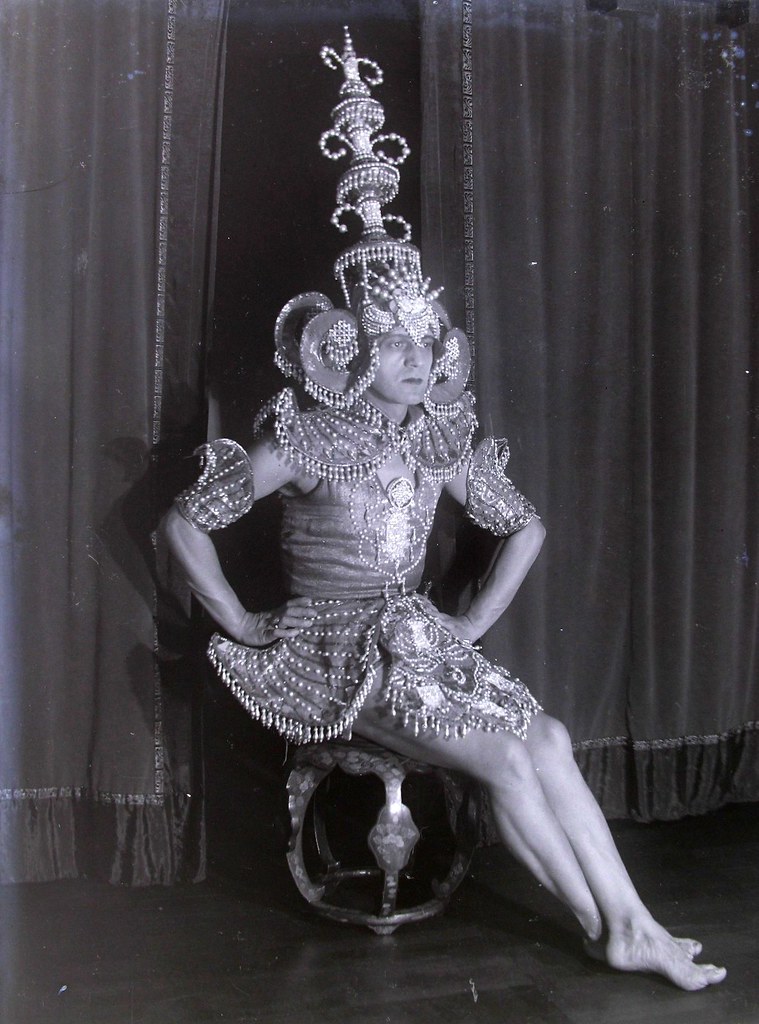
George Eastman House
Dance class is great, but the only way you're really going to get good is if you practice. Sounds easy, but if you're like most dancers, you've got a day job, family, other hobbies, errands, bills to pay, and a whole slew of other things until you're facing the end of a very long day and you realize you haven't practiced yet.

So how's a busy dancer supposed to fit in the time to dance? Well, how much time have you got?

Most people don't realize that they can usually free up to an hour a day. For instance, I'm sure you all know how much time we spend on the computer and watching television. But look at your media consumption. Do you really need to watch that half hour comedy? Do you really have to check Facebook again? If you're reading this and thinking to yourself, "Hey, I don't spend that much time watching TV or on the computer!" just try tracking yourself for a week. Carry around a little notebook, and write down your activities. Make sure you're honest, too, or it won't work.

You'll be pretty surprise at how much time you spend doing nothing at all. This is all time you can use to spend dancing! You may not free up an hour, but you can at least give yourself a little bit of time here and there to do some drills or go over a new choreography.

What if you have commitments that leave no free time a couple nights a week? Well, you can do things like get up earlier. Even getting up fifteen minutes earlier can give you some time to devote to dance practice. I used to do this when I was taking three dance classes a week, and it really helped improve my dancing that year. If you can't get up early, though, you don't need to practice every day.

Instead, look at your weekly schedule, and figure out where you have blocks of time. Maybe you're busy three nights a week, but the other two nights are pretty empty. Set aside a chunk of time both nights and use that for your dance practice. What if you don't have any weeknights free, but weekends are wide open? Then schedule out an hour or two on those days, and dance.

Okay, what if you have no time at all?

Really?

Take a good, hard look at your schedule. There is always something that you can drop, shift, or stop doing. If you're still having a hard time, sit down by yourself, no distractions, and write done what's really important to you. Belly dance should be on that list, but you'll also find that a lot of stuff you waste time on is not. Once you write down all the things that are important to you, look at the things you do every day that have nothing to do with your list.

Then, instead of stopping them all at once, pick one to replace with dance practice. Maybe you feel like you have to watch a television show every week. Try recording it (or ask someone to record it for you), and use that time instead to practice dance. Even if it's just half an hour a week, do that first. Small changes make a big difference, and I'll bet you'll find after awhile that you don't even miss that thing you used to do before you replaced it with bellydancing.

Above all, finding time for bellydance practice really boils down to deciding how important it is to you. If it's important to you, you'll find time to do it. Ask yourself what you want to remember doing when you're too old to dance (hopefully never!): bellydance, or some inconsequential thing you'll forget next week?


Tuesday, July 10, 2012

How to Dance, In 1000 People or Less

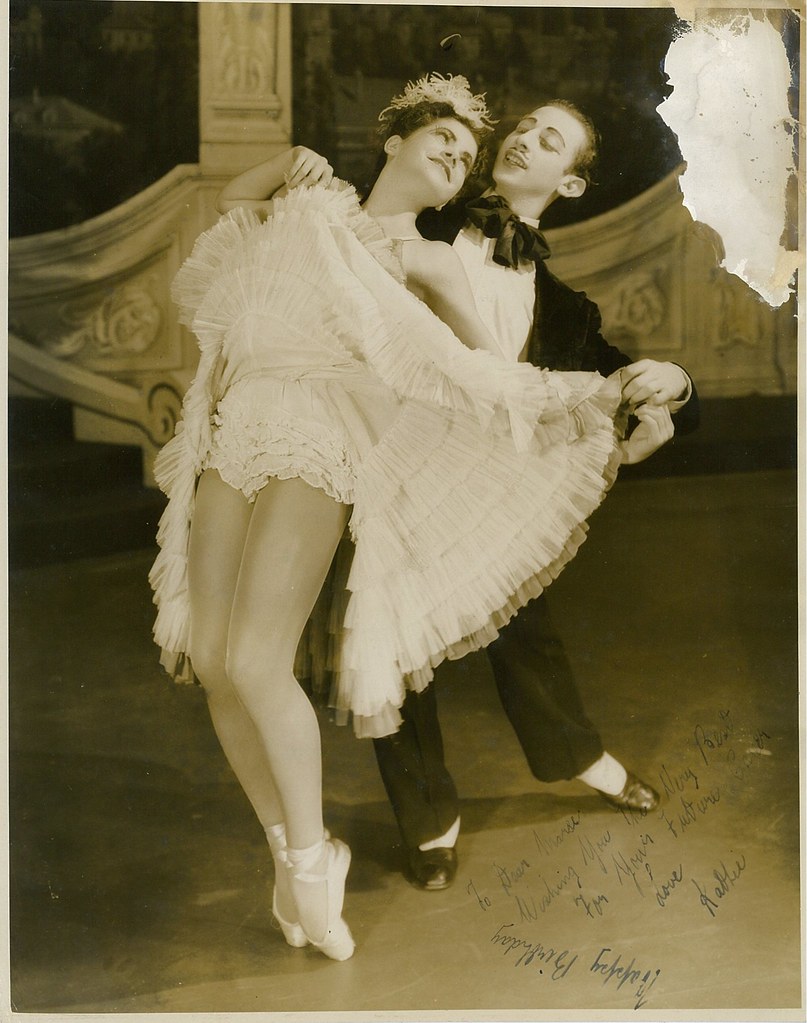
State Library of New South Wales
I spent this last weekend at an amazing conference in Portland, Oregon. At the end of the weekend was a closing party with a Bollywood DJ in a ballroom with a spring floor. When that DJ started playing music (and after a glass of courage), I got up on a stage with a couple of other people and started belly dancing.

In front of more than 1000 other people.

And it was awesome. It was definitely the largest crowd I'd ever danced in front of, and while they definitely weren't there to watch me, and most of them probably didn't even notice me on stage, the fact that I got up there at all makes me proud.

You see, I always doubt my ability to dance and look good at the same time. I've performed so many times now, and been up on several stages, by myself and with people, but I always feel like I'm just killing time until the next performer. Or I experience dancer's remorse, where I get off stage after spending three minutes trying desperately to come up with my next move, and suddenly, while I'm standing in the wings, a thousand different ideas hit me at once.

But this time, not only did I feel like I actually had it and could move with the music without looking like a vaguely rhythmic zombie, I also found American Tribal Style dancers in a crowd of strangers in Portland. I was also able to dance with them on stage, which, to me, is the core and beauty of ATS: the ability to dance with strangers to music you've never heard of and instantly connect.

If you've been having doubts about your dance, your ability to find a beat, improvise, even move to music, try just losing yourself in the crowd and the music. Get a group of friends together and hit the dance clubs. If you need a shot of courage, try to limit it just enough to slightly lower your inhibitions, but not enough that you risk hurting yourself.

Then get on that dance floor or that stage and move. Shimmy in ways you've been trying to master in class, sway your hips and let go. Forget isolations and performing, and feel the music.

Just dance. You're better than you think you are when you're in the middle of the crowd. Then, next time you perform, go back to that night you were an amazing dancer, and get up on that stage.

Thursday, June 28, 2012

Survival: Your First BellyDance Festival

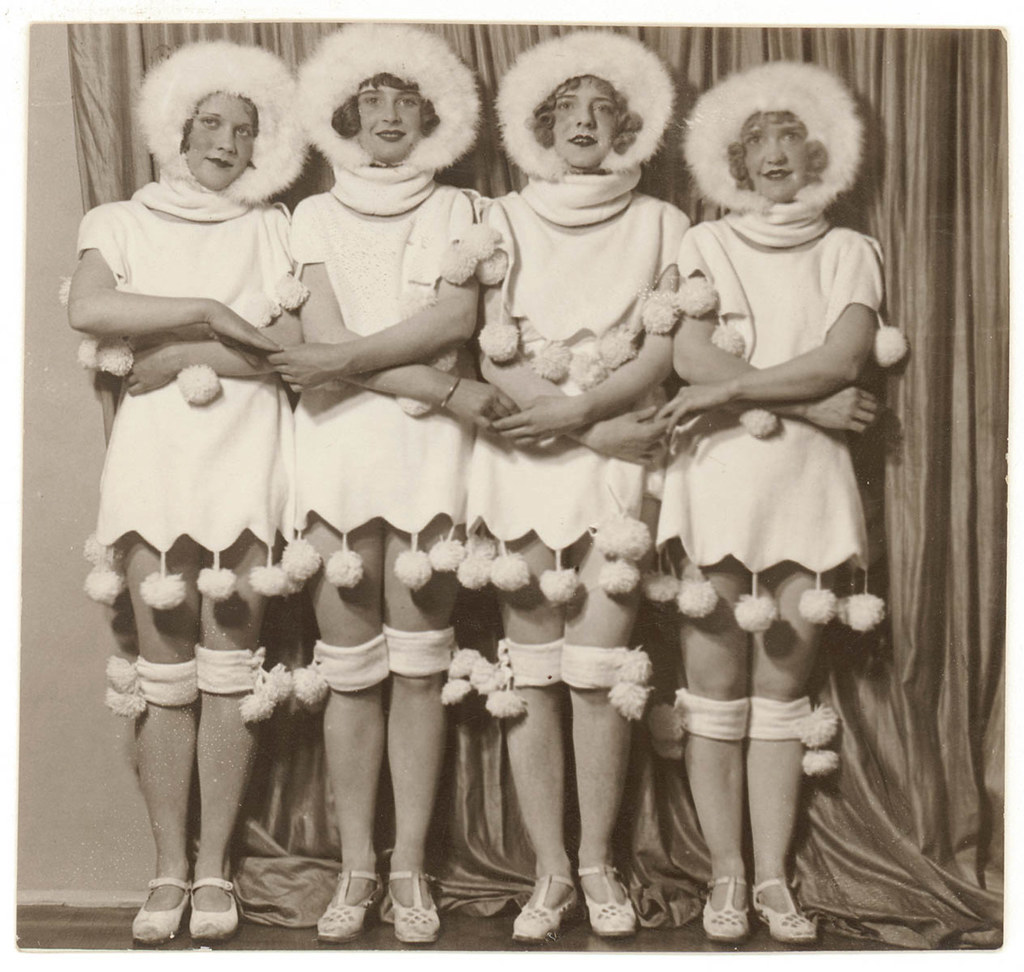
The Library of Congress

There are many bellydance festivals out there: Tribal Fest, Rakksah East and West, Tribal Revolution....the list goes on. My personal favorite, though, is Long Beach, California's Cairo Caravan, taking place every year on the first weekend of June. Three days of dancing and shopping on the Queen Mary--what could be better?

This June was my third Cairo Caravan. I first found out about it just a few months before attending, as my troupe was preparing to perform, and I definitely wasn't prepared for the festival and probably missed out on a lot. So, in preparation for your first festival, or even your hundreth, here's a few tips from my years of attendance.

Time
How long are you planning to be there? The whole time? Just a day, a few hours? If you're going to be there more than a day or two, my advice is to get a hotel room near the festival. You'll save yourself a lot of hassle. Even if you're local to the festival, as I am with Cairo Caravan, getting a hotel room means you spend less time going back and forth to pick up costumes, drop off shopping, get dance gear, and you won't have to worry about traffic or parking. It's much less stressful to not have to worry about getting to and from the festival each day, and if you are performing, getting ready in a hotel room is much nicer than getting ready backstage with a dozen or more dancers.

What to do
If you've never been to this festival before, look up as many photos as you can. Even though I was told about Cairo Caravan before attending (lots of shopping!) I still couldn't fathom how big the event would be until I actually saw the space for myself. Ask your fellow dancers what to expect as well, though remember that their perception of the festival might be different from yours. Check out the website, too, to see if there are any special events: shows, workshops, free lectures and demonstrations, or parties. Then, knowing how long you have to spend there, lay out a loose schedule for yourself. It doesn't have to be a strict one, though if you're performing or taking workshops at a certain time, you'll want to stick to those, but make sure that if there's something you don't want to miss, you make an effort to schedule in.

Workshops
With any great festival comes great workshops. But you don't want to overload yourself so you have no time to enjoy everything else--the shopping, for instance, or the performances. If it's your first or second festival, look at the list of workshops and pick 1 or 2 must-haves, then a couple of backups in case one is full or you have more time. It's good to go with something you really want to learn more about, but try to find something completely new and different to expose yourself to.

Performances
If you're performing, chances are, you don't get much say in where and when. But if you are just going to a festival to watch performances, then the sky's the limit! Figure out if there's must-see performers--for instance, is there anyone famous performing that you don't want to miss? A friend who got a slot this year and you want to support her? Find out when they perform as soon as possible so you can be sure to get a good seat, especially if it's a famous dancer. If you just want to see some dancing, watching performances is a great way to rest and recuperate, especially if you've been running around like crazy trying to fit everything in!

So those are the key things to remember for any bellydance festival. However, don't forget to have fun! Bellydance festivals are great places to meet new dance friends and learn new things, so make sure you make that the first item of your to-do at your next festival.

Wednesday, May 23, 2012

Burn Baby Burn: When You're Just Tired of Dancing

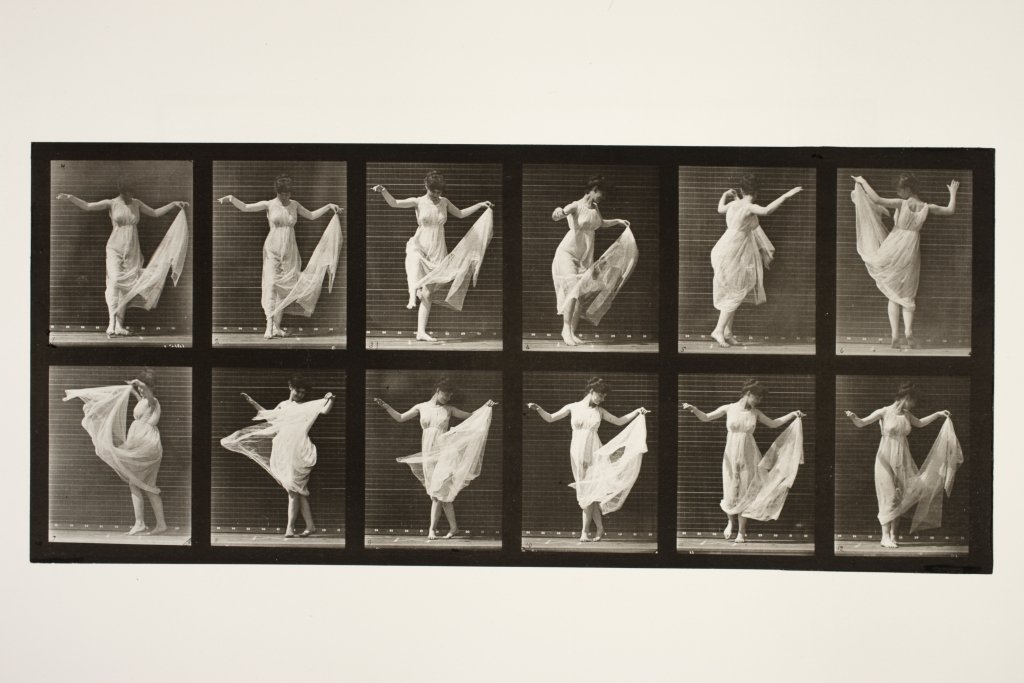
Harry Furniss, State Library of New South Wales
Sometimes, it can get to be too much.

Whether it's the drama, the back-to-back shows, the in-fighting, or just your life outside of dancing, you feel like you can't even find it in you for a good shimmy.

And that's okay.

It doesn't always mean you're not a dancer anymore, or you're ready to quit. Sometimes you just need a break. Sometimes, you need to take care of life. Sometimes, you just need to find a new troupe. But if you find yourself approaching burnout, you need to take a step back and figure out what's bothering you before you just want to throw up your zills and quit.

The last thing you want to do is walk away from dancing and regret the decision later in your life. So how do you keep that from happening?


First, recognize the signs
If you're supposed to be going to class and instead you're trying to think of anything to make you late or keep you from going, you're definitely trying to avoid class. Or if you do get to class but don't give it your all, there may be a problem. Are you just tired that day? Something in your personal life affecting it? Is this another night this month that you just don't feel like dancing? Are there dancers you're trying to avoid? Sit down and figure out why you don't want to go to class. This is an excellent time to freewrite in your dance journal. Just get out your journal and pretend you're five again: "I don't wanna go to class. I don't wanna dance. I don't wanna stretch out. I don't wanna do our choreography again. I don't wanna listen to Miss Perfect getting praised again. I don't wanna listen to them complain about everything." Keep your pen moving, and you'll start writing down the real reasons you don't want to go.

Okay, I know why I'm avoiding class. Now what?
Once you've figured out where the problem is, you have to figure out what you're going to do with it. Is your class preparing for a performance that you don't want to do? Are you tired of having to relearn the same things over again? Are you learning something new that you're having too much trouble with while everyone else seems to get it? These require a talk with your teacher. Ask if you can sit out the performance (and don't ever be afraid to sit out a performance!), or take privates with her to improve other areas and give yourself a challenge. Or ask if you can move to another class--maybe you feel like you're ready for the next level, or there's another class that's not going to perform. It never hurts to just ask.

If your problem is with the drama of your fellow dancers or teacher, then it might be time to find a new class. You definitely don't want other dancers impacting your enjoyment of bellydance, but it can happen. Ask other dancers for recommendations, or check out your local bellydance hub. It's hard to start over again, but burning out because of other dancers' drama is even harder.

If it's your personal life that's making you avoid dance class, talk to your teacher about taking a break. Work, family, kids, spouse--sometimes life just gets in the way.  Remember that the most important thing is for you to take care of you first. If it means taking a break from dancing, there is nothing wrong with that! If you're worried that you won't return to class after a break, discuss a potential restart date with your teacher, and mark it on your calender, then set a reminder a week before. When that reminder goes off, discuss with your teacher and/or family your return to dancing, and see if you need a longer break or if you're ready to get back into the swing of things.

Before the burnout
Again, the most important thing you can do is take care of you. If you really love dancing, you don't want to burnout early. Take a break, change your classes, but most of all, don't be afraid to speak up. The worst thing you can do is do nothing and then bellydance is no longer enjoyable to you no matter what you do.  And there's also your fellow dancers to talk to--tell them what you're going through, and I'm sure they'll be able to tell you of the time they almost quit, and how glad they didn't, and what they did to get through it!


Thursday, May 17, 2012

All I learned about bellydance I learned from dancing at Renaissance Faire

Ruth St. Denis, New York Public Library
I just finished a 6-weekend stint of dancing at the Southern California Renaissance Faire. While I definitely didn't learn everything I need to know about bellydance from dancing at the Ren Faire, I definitely learned a couple of things about performing.

Be ready for anything
When I signed up to dance at the Ren Faire, it was with the understanding that I would be dancing ATS with a group. However, it quickly became apparent that there was plenty of opportunity for solos, and not just any kind of solos, but solos with props. As a primarily ATS dancer, I'm not used to dancing with props, but I had to learn how to handle a veil pretty quickly. By my last day, I was using veil in all but one of my solos, and now I enjoy veilwork. It's something I'm definitely going to explore as a solo dancer.

How to dance to live music
My main troupe dances to live music for most of our performances, but there's a world of difference between dancing group improv to live music and improving a solo to live music. With group improv, or even just ATS, you still have a set vocabulary to stick to. With an improvisational solo,  anything goes. Suddenly your mind goes blank, you have no idea what to do next, and the music feels like it just sped up and you're standing on stage staring at the audience. What works with ATS, though, also works for solo improv. Start with something simple and mindless while you're thinking about what to do next. Add a turn, start to travel with it a little, and remember to breathe. By my last show, I felt like I had eons of time to think about what to do, and I was able to get a little bit creative while I was dancing.

How to dance to fast music
I love the slow, slinkiness of dancers like Rachel Brice. It's actually really easy to dance slow once you've mastered control of your own body. It's a lot harder to dance fast. So when I was faced with dancing to fast, live songs, or even dancing ATS to music faster than I'm used to, I had a hard time keeping up. I mentioned this to my teacher, who came out and danced with us one day, and she said something that made perfect sense to me: halftime it. If the music is too fast for me, I don't have to keep up with the beat. I can halftime it, and still look like I'm with the music.

Co-existing with other dancers
When you've got a dozen or so dancers all in each others' space weekend after weekend, drama is bound to happen. Tempers will flare, egos will get stepped on, and bellydancers will be pitted against bellydancers. Luckily, most of the drama did not directly involve me, so I just stayed out of it. I did nearly found myself in the middle of it a few times, and was ashamed to say I didn't immediately follow my instinct and do what I felt was right at the time. In future, I will do what I feel is right and fair. I also realized that my opinions of other dancers were formed based on the opinion of a dancer I'm friendly with. After spending some time with those other dancers, I realized that I should form my own opinions for myself.

I am a dancer!
After 6 weeks of dancing to live music, I learned that I can actually dance. I also feel less intimidated by dancing solos, since I've now been dancing them almost every weekend for the last six weeks. It also helped that I had several audience members and even my teacher compliment me on my dancing. Surprising at first, but the compliments felt good. And now I'm a lot more assured of my ability to get on a stage and move my body to music.

All in all, my experience dancing at Ren Faire was a good one. I think I might go back again next year if I'm asked back. It's a fun way to spend the spring, and I know that next year, I'll be better prepared!

Tuesday, May 8, 2012

You Have to Want It

Martin Rubenstein and Kathleen Gorham; State Library of New South Wales
What's the difference between a pre-professional dancer and a wannabe-professional dancer?

They both want to be a professional dancer one day. Both want to have their own studio, or travel around the world teaching and performing. They both want to write off makeup and hair product on their taxes and both want closets full of costumes. So what's the difference?

The difference is that the pre-professional wants it. She dreams it, breathes it, eats it. She wants it so bad that she gives up other things that aren't as important to her in favor of dance class, practicing on her own, cross-training, workshops, and anything else that will help further her dance career.

She wants it so bad that she knows she is never done learning how to dance, that each teacher, each workshop instructor, each fellow dancer, can and will have something new to teach her. She wants it so bad that she knows even the beginner dancers, the ones who have been dancing for six weeks, or a year, or even a day less than she has, will still have something new and exciting to share with her.

He wants it so bad that he keeps his mind open to every possibility. He tries a different style of dance class for cross-training or to see if he can learn something new to add to his movement vocabulary. He studies with teachers outside his style, and dances with dancers of different styles to see what else there is. He refuses to dismiss dancers or performances because they're not 'real' bellydance.

She wants it so bad that she knows the work is never over. No one is going to hand her the perfect gig, or the perfect costume, or the perfect stage lighting. She has to work with the best she's got, no matter what, and make it look like she didn't have to get ready in a broom closet with a broken light and six other dancers. She knows that if she wants a slot in the show she has to be nice to people, and help them out when they need it, or even help them out when she doesn't need anything from them. She knows that she has to act like a professional, even if she isn't yet, because she's always training for the job she wants.

A pre-professional dancer will become a professional dancer. One day, after a lot of hard work, money, classes, and Tiger Balm, she'll get her first paying gig, or she'll receive the keys to her new studio. She will smile to herself, maybe share a toast with her dance sisters or lover or family, then get back to work.

The wannabe-professional dancer will keep fantasizing about that day, and wonder why no one's given it to her yet.

Tuesday, April 24, 2012

I'm Just Not Creative!

Chorus Girls, 192-; New South Wales Collection

Ever think you're one of those people who just can't be creative? Do you listen to a song and think you could come up with the best moves to do with it, but when you try dancing to it, you can't remember any of it? Do you see other dancers' beautifully handmade costumes and wonder if you could ever make those costumes yourself? Or have you ever seen a really great stage show and thought to yourself "Where did they learn to do that? I could never be that creative!"

While just getting on a stage and dancing in public is difficult enough, really getting good at putting on a show might seem like an impossible skill. And it is hard: there's the music you have to pick, the costumes you have to put together, the choreography to come up with, your makeup and hair to do. Doesn't it ever feel like some of this stuff just comes naturally to other dancers? Don't you ever wonder if there's a secret to being creative?

Well, there is, and it's very simple: Practice.

Just do it!
The secret to getting better at being creative is to practice at being creative. You've going to have to work at it. Dance every chance you get, perform every chance you get. Put on music and try to make up something to go with it, even if it's just a 24-count section. If you're worried about someone seeing your attempts, lock yourself in your room or studio. You might feel uncoordinated or silly, but do it anyway.

If it's costuming you're having trouble with, just start pulling all your bellydance costuming out of the closet. Or, pick another dancer's costume and try to put together something similar using just the items in your closet. Just because you're not going to wear it on stage doesn't mean it's wasted time. You can even put the costume on and parade around the house in it, maybe film yourself dancing it a few times.


But I've tried to and I'm just not any good!
Have you really, though? Have you tried making up choreography or improv to a song? Have you done more than one performance? Have you tried dancing for your friends to see what they think? Have you gone out in public in that costume? You're better than you realize, but when you look at yourself through your own eyes, it's hard to see yourself as a great dancer.


Another thing that will help is to practice with friends. Put together a choreography workshop where you and your friends can work on individual pieces. It really helps to get feedback on your work sometimes, and you'll find that you're not as bad as you think you are. With your costume, get your friends together and do a costume swap. Throw everyone's things in the middle and start pulling pieces out and put costumes together.

Keep it simple
If you're still having trouble coming up with choreography or costumes, just narrow it down. Find a piece of music you like, and challenge yourself to use the same three moves. See what you can do with it. Record yourself if you can, and see what you can come up with during that time. Or, if you already know a choreography from class, just do the same choreo to the same music, and change the emotion. Do it sad, or romantic, or angry, and watch how the emotion completely changes the pieces.

With a costume, put together a 'dance uniform' and just add one or two things to it to make it different each time. Start with a basic skirt and bra, then change up the jewelry or belt, or do something different with your hair. Play around with your accessories.

Record, record, record
While you're playing around with choreography and costuming, make sure you keep a record of all the things you do. Pick up a cheap video camera, or record yourself on your phone. Take pictures of your costumes, either while you're wearing them or laid out somewhere. Keep them somewhere on your computer, and date them, so you can go back and watch yourself progress.

Before you know it, you'll have become much better at being a creative dancer, and you'll wonder how on earth you ever thought you couldn't do it!